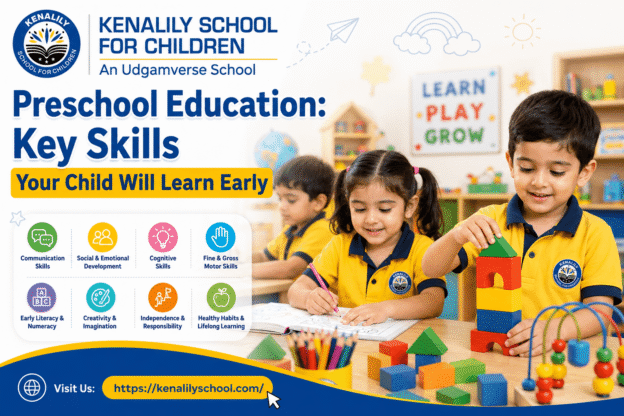
The early years of a child’s life are filled with rapid growth, curiosity, and discovery. During this stage, children develop the foundation for future academic success, emotional well-being, and social confidence. A quality learning environment encourages exploration, communication, and creativity while helping young learners adapt to structured routines. Parents searching for the Best Preschool In Ahmedabad often focus on places that support overall development through age-appropriate activities rather than academic pressure. Choosing the right early learning center means giving children opportunities to build essential life skills in a nurturing environment that promotes confidence and independence.
Table of Contents
| Section | Description |
|---|---|
| Introduction | Why early education matters |
| Importance of Preschool In Ahmedabad | Benefits of quality early learning |
| Essential Skills Children Learn | Cognitive, social, emotional, and physical development |
| Tips for Parents | Supporting learning at home |
Why Early Education Matters
Early education is much more than introducing letters and numbers. It creates meaningful experiences that help children understand the world around them while developing communication, problem-solving, and emotional skills.
A structured learning environment allows children to interact with peers, follow simple instructions, and participate in activities that improve concentration. These experiences prepare them for future academic settings while encouraging curiosity and creativity.
Parents often look for environments that combine learning with enjoyable experiences, ensuring children remain engaged while developing important abilities naturally.
Key Skills Children Learn During Early Education
Children acquire numerous lifelong skills through daily activities, guided learning, and social interaction.
1. Communication Skills
Language development begins early, and children improve vocabulary through conversations, storytelling, songs, and interactive activities.
These experiences help children:
- Express thoughts clearly
- Listen carefully to others
- Ask meaningful questions
- Build confidence while speaking
- Develop early reading readiness
Strong communication skills support both academic growth and personal relationships later in life.
2. Social Development
Learning alongside other children encourages cooperation and teamwork. Group activities teach respect, patience, and understanding of different perspectives.
Children gradually learn how to:
- Share resources
- Take turns
- Work in groups
- Respect classroom rules
- Build friendships
These experiences improve emotional intelligence and help children become more confident in social situations.
3. Emotional Growth
Young learners experience many emotions each day. Early education helps them recognize feelings and manage them appropriately.
Teachers guide children in:
- Understanding emotions
- Expressing feelings respectfully
- Developing empathy
- Building resilience
- Solving simple conflicts peacefully
These emotional skills create a strong foundation for healthy relationships throughout life.
4. Cognitive Development
Hands-on learning activities stimulate thinking and problem-solving abilities.
Children participate in puzzles, sorting games, building blocks, matching exercises, and storytelling sessions that strengthen:
- Memory
- Logical thinking
- Observation
- Creativity
- Decision-making
Interactive learning keeps children engaged while supporting brain development during their most important developmental years.
5. Fine and Gross Motor Skills
Physical activities contribute significantly to overall growth.
Fine motor activities include:
- Drawing
- Coloring
- Cutting paper
- Clay modeling
- Bead threading
Gross motor activities include:
- Running
- Jumping
- Balancing
- Dancing
- Outdoor games
Together, these activities improve coordination, balance, and body control.
6. Early Literacy and Numeracy
Young children naturally develop foundational literacy and mathematical concepts through fun experiences.
Instead of memorization, they learn through:
- Storybooks
- Rhymes
- Counting games
- Shape recognition
- Alphabet activities
These enjoyable methods create positive learning habits that continue throughout formal education.
7. Creativity and Imagination
Creative activities allow children to express themselves freely.
Art, music, pretend play, storytelling, and craft projects encourage:
- Original thinking
- Innovation
- Self-expression
- Confidence
- Curiosity
Creative experiences also improve problem-solving by allowing children to think independently.
8. Independence and Responsibility
Simple daily routines help children become more self-reliant.
Children gradually learn to:
- Organize belongings
- Complete simple tasks
- Follow schedules
- Make small decisions
- Take responsibility for personal items
These habits promote discipline while boosting self-confidence.
9. Healthy Habits
Early learning environments also introduce healthy daily practices.
Children understand the importance of:
- Hand washing
- Healthy eating
- Physical activity
- Clean surroundings
- Personal hygiene
Developing these habits early encourages healthier lifestyles as children grow.
10. Curiosity and Lifelong Learning
Children naturally ask questions about everything they observe. A supportive learning environment encourages exploration rather than limiting curiosity.
Teachers inspire children to:
- Observe carefully
- Experiment safely
- Ask questions
- Discover solutions
- Enjoy learning
This positive attitude toward learning often continues throughout their educational journey.
Choosing the Right Early Learning Environment
When selecting a learning center, parents should evaluate several important factors rather than focusing only on facilities.
Consider aspects such as:
- Safe and child-friendly surroundings
- Experienced and caring educators
- Balanced daily activities
- Interactive learning methods
- Small learner-to-teacher ratio
- Clean classrooms
- Parent communication
- Creative learning opportunities
Families searching for a best play school in ahmedabad often prioritize nurturing environments that support emotional, social, and intellectual growth equally.
How Parents Can Support Learning at Home
Learning continues beyond the classroom.
Parents can encourage development by:
- Reading together every day
- Talking during everyday activities
- Encouraging creative drawing
- Playing educational games
- Limiting unnecessary screen time
- Allowing children to solve simple problems independently
- Appreciating effort instead of perfection
These daily habits strengthen confidence while reinforcing classroom learning.
Long-Term Benefits of Early Education
Quality early education contributes to success far beyond childhood.
Children who receive strong foundational learning often demonstrate:
- Better communication abilities
- Improved academic readiness
- Stronger social relationships
- Greater emotional stability
- Higher confidence
- Better concentration
- Independent thinking
- Positive learning attitudes
These lifelong advantages support personal, academic, and professional success in later years.
Conclusion
Early education provides children with valuable experiences that shape their confidence, curiosity, communication, and independence. From language development to emotional intelligence and problem-solving abilities, these formative years lay the groundwork for future success. Parents who carefully evaluate learning environments can help children build essential life skills in a supportive setting. Families exploring Pre Schools in Ahmedabad should prioritize nurturing environments that encourage balanced growth, creativity, and joyful learning while supporting every child’s unique developmental journey.
Looking for experienced educators, safe facilities, engaging activities, positive learning environments, and strong communication with families.
Frequently Asked Questions
Why is social interaction important during early childhood?
It helps children develop communication, cooperation, empathy, and conflict-resolution skills while building confidence around others.
Should early education focus mainly on academics?
No. Balanced programs emphasize emotional, social, physical, and cognitive development alongside early literacy and numeracy.
How can parents reinforce classroom learning?
Reading together, engaging in conversations, encouraging creative activities, and maintaining consistent routines all support continued development.
What qualities should parents consider before choosing an early learning center?
Look for experienced educators, safe facilities, engaging activities, positive learning environments, and strong communication with families.