Category Archives: Blog – Zebar School, best CBES School supporting Parents.

Best CBSE School in Ahmedabad for Grade 11 – Kenalily School for Children

Choosing the right school after Grade 10 is one of the most important decisions for students and parents. Grade 11 builds the academic foundation that determines future university admissions, career direction, and competitive exam preparation.

If you are searching for the best CBSE school in Ahmedabad for senior secondary education, Kenalily School for Children offers a balanced approach combining strong academics, sports integration, leadership development, and holistic learning.

Recognized among the top CBSE schools in Ahmedabad, Kenalily prepares students to succeed both academically and personally.

Kenalily School for Children – One of the Best CBSE Schools in Ahmedabad

Established in 2010, Kenalily School for Children is located on Hebatpur Thaltej Road, Ahmedabad. The school offers the CBSE curriculum from Preschool to Grade 12, allowing students to experience a continuous and structured academic journey.

Parents looking for a primary school Hebatpur Ahmedabad or a trusted Hebatpur primary school often choose Kenalily because of its strong academic system and long-term learning environment.

The campus provides a safe, green, and modern infrastructure that supports focused education and student well-being.

Kenalily is also widely regarded as one of the best preschool in Ahmedabad, providing a strong early learning foundation that prepares children for future academic success.

Because of its academic consistency and holistic development programs, Kenalily is frequently listed among the best CBSE schools in Ahmedabad and the top CBSE schools in Ahmedabad by parents and education platforms.

Grade 11 Streams Offered at Kenalily School for Children

Science Stream
Subjects Offered:
Physics
Chemistry
English
Mathematics / Biology
P.E. / Computer Science / Psychology

The Science stream focuses on conceptual clarity, practical application, laboratory exposure, and analytical thinking. Students develop strong foundations required for careers in engineering, medicine, and research through experiments, numerical practice, and conceptual assessments.

Commerce Stream
Subjects Offered:
Accountancy
Business Studies
Economics
English
Applied Mathematics / Entrepreneurship

The Commerce stream trains students in financial literacy, business concepts, analytical interpretation, and structured problem-solving through case studies and practical learning.

Humanities (Arts) Stream
Subjects Offered:
English
History
Political Science
Psychology
Entrepreneurship

The Humanities stream promotes critical thinking, discussion-based learning, and analytical writing skills supporting careers in law, civil services, psychology, journalism, social sciences, and liberal arts.

Academic Structure for Grade 11 at Kenalily

• Regular unit tests and internal assessments
• Structured syllabus planning aligned with CBSE guidelines
• Practical laboratory sessions for science subjects
• Doubt-solving sessions for conceptual clarity
• Continuous academic tracking and feedback
• Parent-teacher meetings for progress updates
• Career awareness and competitive exam guidance sessions

The goal is to strengthen subject fundamentals in Grade 11 so that Grade 12 preparation becomes smoother and more confident.

Academic Results – A Strong Record of Excellence

Kenalily School for Children has consistently delivered excellent academic performance in CBSE board examinations.

Achievements include:
• 100% CBSE board results in multiple academic years
• Numerous students scoring above 90%
• Highest scores exceeding 96%
• Over 250 students scoring above 90% across board examinations

These results strengthen Kenalily’s reputation as one of the best CBSE school in Ahmedabad for academic reliability.

Awards and National Recognitions

• Honoured as “The Change Maker School” by Times Education Icons Group
• Recognized among Design Thinking Leaders – ranked 1st at district & state level and 7th nationally
• Eduworld Award – Ranked 8th in India
• Times Group Education Recognition 2025 for Excellence in Nurturing Future-Ready Learners

These recognitions reinforce Kenalily’s position among the top CBSE schools in Ahmedabad.

Sports Integrated Education

Students receive professional training in:
Football
Kabaddi
Throwball
Volleyball
Athletics
Karate
Yoga

Sports participation helps develop discipline, teamwork, resilience, and leadership skills.

Holistic Development Opportunities

Students actively participate in:
• Performing arts and theatre
• Music and dance
• Public speaking competitions
• Literary activities
• Personality development programs
• Leadership forums

These programs help students grow into confident and well-rounded individuals.

Campus Facilities

• Smart classrooms
• Advanced science and computer labs
• Library and activity spaces
• Sports infrastructure
• Safe transport system
• Secure campus environment

Why Parents Choose Kenalily School for Children

• Consistent academic excellence
• Stream selection guidance
• Sports-integrated education
• National recognitions and awards
• Safe and disciplined campus
• Leadership and life-skills focus

From early learning to senior secondary education, Kenalily continues to be one of the best CBSE schools in Ahmedabad trusted by families.

Grade 11 Admission Process

Step 1: Admission Inquiry
Parents may contact the school office or fill out the online inquiry form.

Step 2: Counselling and Stream Guidance
Students and parents meet the academic coordinator to discuss Grade 10 performance, stream suitability, career interests, and subject combinations.

Step 3: Document Submission
Required documents include:
Grade 10 Marksheet (Provisional or Final)
School Leaving Certificate
Passport-size photographs
Aadhar copy (if required)

Step 4: Interaction / Assessment (If Applicable)
A basic academic interaction may be conducted to understand the student’s readiness.

Step 5: Fee Payment & Admission Confirmation
Admission is confirmed upon document verification and fee payment.

Admissions are granted on a merit basis based on Grade 10 performance.
Seats in each stream are limited.

Dummy School Admission vs Regular Schooling: Understanding the Difference

Education systems today offer multiple academic pathways, each designed to meet different learning objectives and career aspirations. Among these pathways, the contrast between alternative enrolment models and conventional classroom-based education often raises questions for parents and students alike. The distinction becomes especially relevant for learners preparing for competitive examinations, professional training, or flexible academic routes. Within this context, Dummy School Admission In Ahmedabad has emerged as a widely discussed option, often compared directly with traditional institutional learning.

This comparison is not about choosing a superior approach, but about understanding structural differences, academic expectations, and long-term implications. Both models operate within defined regulatory frameworks, yet they serve fundamentally different educational purposes.

What Defines Regular Schooling?

Regular schooling represents the most familiar academic structure. It follows a full-time learning format where students attend classes daily, participate in assessments, and engage in co-curricular activities. This approach emphasises holistic development, blending academic instruction with social interaction, discipline, and personal growth.

Key characteristics commonly associated with conventional schooling include:

  • Daily classroom engagement with subject teachers
  • Continuous internal assessments and periodic examinations
  • Structured timetables and attendance requirements
  • Emphasis on extracurricular participation, teamwork, and communication skills

This system is designed to create a balanced educational environment. It nurtures intellectual capability while also supporting emotional maturity and social awareness. For many learners, this framework provides stability and a clear academic rhythm throughout the year.

Understanding Dummy School Admission

In contrast, a dummy enrolment model operates with minimal physical attendance. Students are formally registered with an institution but primarily focus on external coaching, self-study, or specialised preparation outside the campus environment. Academic evaluation is usually aligned with board requirements rather than daily classroom interaction.

This arrangement is often chosen by students pursuing demanding entrance examinations, professional sports, or creative disciplines requiring flexible schedules. Dummy School Admission In Ahmedabad reflects this growing preference for academic adaptability within regulated educational norms.

Core aspects of this model generally include:

  • Limited on-campus attendance
  • Focus on board examinations rather than internal grading
  • Greater flexibility for external academic or professional commitments
  • Reduced involvement in co-curricular programmes

While the structure appears less immersive, it serves a specific objective: allowing students to dedicate time and energy to focused preparation without daily institutional constraints.

Academic Structure and Learning Environment


The learning environment is where the most visible differences emerge. Regular schooling thrives on interaction teacher-led discussions, peer collaboration, and classroom-based problem solving. Learning is incremental and reinforced through consistent evaluation.

By comparison, alternative enrolment relies heavily on independent discipline. Students manage their own study schedules and depend on external resources such as coaching centres or private tutors. This environment demands self-motivation, time management, and academic clarity from an early stage.

Neither structure inherently limits academic success. Instead, outcomes depend on how well the learner adapts to the chosen framework and uses available resources effectively.

Attendance, Assessment, and Accountability


Attendance policies form a central point of divergence. Traditional institutions maintain strict attendance benchmarks, linking classroom presence to academic progression. Internal assessments contribute significantly to final performance, encouraging continuous engagement.

Alternative enrolment models operate differently. Attendance requirements are relaxed, and academic accountability centres on board-level examinations. For families seeking a Dummy School In Ahmedabad, this flexibility often becomes the deciding factor, particularly when academic goals extend beyond standard curricula.

However, reduced institutional oversight also shifts responsibility onto the student. Without regular monitoring, consistency and academic discipline must come from personal commitment rather than external enforcement.

Social Development and Peer Interaction


One frequently discussed concern involves social exposure. Regular schooling naturally facilitates interpersonal development through daily peer interaction, group activities, and collaborative learning experiences. These elements contribute to confidence, adaptability, and communication skills.

In contrast, limited campus presence can reduce everyday social engagement. While students may still interact within coaching environments or extracurricular circles, the experience differs from a full-time academic setting. This distinction does not equate to social isolation, but it does alter the context in which interpersonal skills develop.

Families evaluating a dummy school near me often consider this factor carefully, balancing academic focus with the importance of social maturity and emotional intelligence.

Suitability Based on Student Goals

Choosing between these models depends largely on individual objectives. Regular schooling suits learners who benefit from structured routines, continuous guidance, and a comprehensive developmental environment. It supports steady academic progression alongside personal growth.

Alternative enrolment aligns more closely with students who require schedule flexibility due to:

  • Competitive examination preparation
  • Professional sports or performance training
  • Creative or vocational pursuits demanding dedicated practice time

The decision should reflect the learner’s temperament, academic discipline, and long-term ambitions rather than prevailing trends.

Parental Role and Involvement

Parental involvement also differs significantly between the two approaches. In a conventional setting, institutional systems manage most academic tracking, providing regular feedback and structured communication.

With alternative enrolment, families often assume a more active role. Monitoring study routines, coordinating external coaching, and ensuring academic balance become shared responsibilities. This increased involvement can be effective when approached with clarity and consistency.

Regulatory Awareness and Ethical Considerations

Understanding compliance is essential. Both models operate under educational board regulations, and adherence to guidelines safeguards academic validity. Transparency in enrolment, assessment, and certification ensures that students face no complications during board examinations or higher education admissions.

Responsible institutions prioritise regulatory alignment, ensuring that academic flexibility does not compromise educational integrity.

Long-Term Academic Impact

From a long-term perspective, neither approach restricts higher education opportunities when pursued correctly. Universities and professional institutions typically evaluate board results, entrance examination scores, and eligibility criteria rather than schooling format alone.

What matters most is academic preparedness, subject mastery, and personal readiness for advanced studies. The learning model simply shapes how that preparedness is achieved.

Conclusion

Understanding the distinction between traditional classroom education and alternative enrolment models allows families to choose with clarity rather than assumption. Each approach serves a defined purpose within the broader academic ecosystem. When selected thoughtfully and supported responsibly, both can lead to successful educational journeys.

For those exploring options such as Dummy School In Thaltej Ahmedabad, institutions like Kenalily School for Children highlight the importance of structured guidance, regulatory awareness, and student-centric planning in shaping meaningful academic pathways.

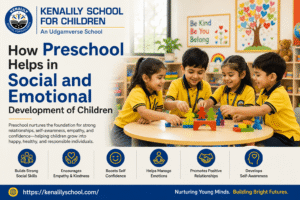
How the Best Preschool Supports Early Learning and Development

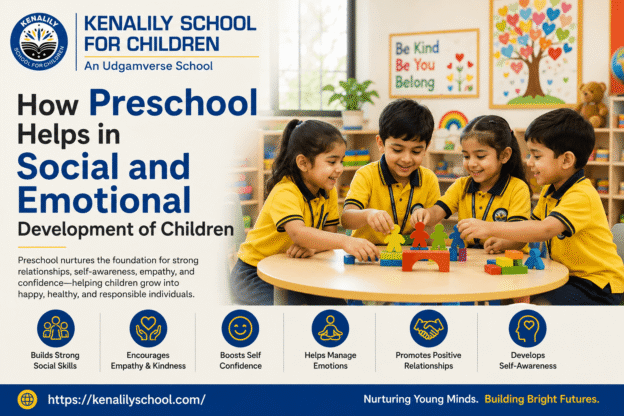
Early childhood is a formative phase where cognitive, emotional, and social foundations take shape. During these years, learning is not confined to alphabets or numbers; it is expressed through curiosity, interaction, and exploration. Choosing the right early learning environment therefore carries lasting significance. The concept of the Best Preschool In Ahmedabad is increasingly defined by how effectively an institution nurtures holistic growth while respecting the individuality of each child.


Early Learning Beyond Academics

Early education thrives on experiences rather than instruction alone. Young learners absorb information through play, observation, and imitation. A strong preschool environment recognises this natural learning style and designs activities that stimulate curiosity without pressure.

Storytelling, creative expression, music, and guided play introduce foundational concepts organically. This approach encourages children to associate learning with enjoyment, building a positive mindset that carries forward into later education.

Emotional Security as a Learning Catalyst

A sense of safety and belonging plays a critical role in early development. When children feel emotionally secure, they are more willing to explore, communicate, and engage with their surroundings.

Supportive educators who respond with patience and empathy help children develop trust and confidence. These emotional skills form the basis of resilience, independence, and healthy self-expression.

Language Development Through Daily Interaction

Language acquisition during early years is rapid and highly responsive to environment. Exposure to rich vocabulary, meaningful conversation, and expressive activities supports strong communication skills.

Preschools that encourage dialogue, questioning, and storytelling help children articulate thoughts clearly. This early exposure strengthens comprehension and prepares learners for more structured academic communication later on.

Learning Through Play and Exploration

Play-based learning remains one of the most effective tools for early education. Through play, children experiment, solve problems, and understand cause-and-effect relationships.

Structured play activities introduce early numeracy, spatial awareness, and logical thinking while maintaining a sense of freedom. This balance ensures learning remains engaging rather than restrictive.

Social Skills and Peer Interaction

Interaction with peers introduces children to cooperation, sharing, and empathy. Group activities help them understand social cues, manage emotions, and resolve simple conflicts.

A well-designed Preschool In Ahmedabad setting creates opportunities for collaborative play and guided interaction, supporting social awareness and emotional intelligence from an early age.

Role of Educators in Shaping Development

Educators in early learning environments act as facilitators rather than instructors. Their role involves observing individual progress, guiding exploration, and adapting activities to diverse learning needs.

Continuous training and reflective teaching practices ensure educators remain responsive to developmental milestones. This adaptability enhances the overall learning experience for every child.

Structured Routines and Developmental Balance

Predictable routines provide children with a sense of stability. Daily schedules that balance activity, rest, and creative time help children feel secure while encouraging independence.

Routines also introduce time awareness and responsibility, subtly preparing children for structured learning environments in later years.

Physical Development and Motor Skills

Early education supports physical growth alongside cognitive development. Activities that encourage movement, coordination, and balance strengthen both fine and gross motor skills.

Art projects, outdoor play, and hands-on tasks improve dexterity and body awareness, contributing to overall physical confidence.

Parent Partnership in Early Education

Strong early learning environments recognise the value of parental involvement. Open communication between educators and families ensures consistency between home and learning spaces.

This partnership supports emotional continuity and reinforces learning habits beyond the classroom, enhancing developmental outcomes.

Evaluating Quality in Early Learning Environments

Parents often explore multiple options when seeking early education. Reviewing factors such as learning philosophy, educator approach, and environment quality helps in making informed decisions.

Resources such as a List of Best Preschools in Ahmedabad provide initial guidance, but observing classroom dynamics and child engagement offers deeper insight into quality.

Preparing Children for Lifelong Learning

The ultimate goal of early education is not early academic achievement, but readiness for lifelong learning. Curiosity, confidence, adaptability, and empathy form the true measures of success.

Preschools that prioritise these qualities prepare children not just for the next grade, but for the evolving challenges of learning and life.

How the Best Preschool Supports Early Development

  • Encourages curiosity through play-based learning
  • Builds emotional security and confidence
  • Strengthens communication and social interaction
  • Supports physical and cognitive growth together
  • Creates a positive foundation for future learning
  • Conclusion: Building Strong Foundations Through Thoughtful Early Education

    The early years shape how children approach learning, relationships, and challenges throughout life. A nurturing, responsive preschool environment supports balanced development by combining emotional care with meaningful learning experiences. For families seeking a Top Preschool in Ahmedabad, the focus increasingly rests on environments that respect childhood while preparing young learners for the future. Within this evolving understanding of early education, Kenalily School reflects the importance of thoughtful, development-focused approaches that place children’s growth at the centre of early learning.

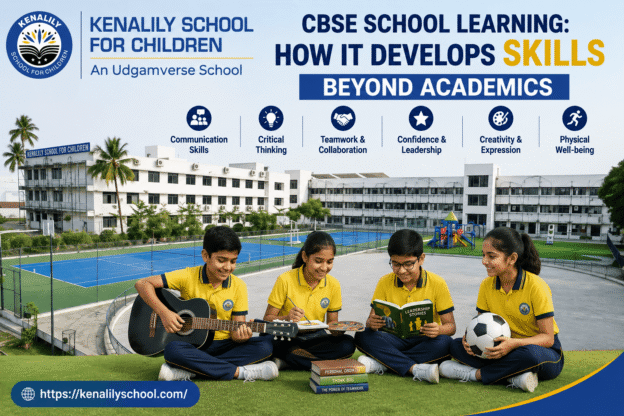
The Role of CBSE Schools in Building Strong Academic Foundations

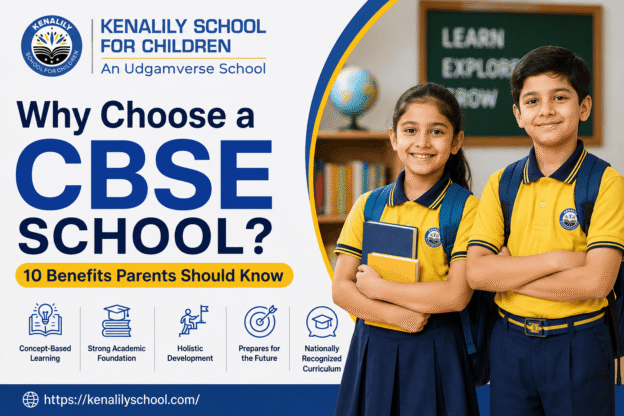
Education shapes how children think, reason and adapt long before career paths are defined. The structure, curriculum and learning environment provided during formative years influence not only academic performance but also confidence, curiosity and discipline. Across India, the CBSE framework has emerged as a widely adopted academic system, valued for its consistency and focus on conceptual understanding. For many families exploring Best CBSE Schools In Ahmedabad, the goal extends beyond examination results to long-term intellectual development.
A strong academic foundation is not built through memorisation alone. It grows from a balanced approach that blends structured learning, skill development and exposure to real-world thinking. CBSE institutions are designed to support this balance, offering continuity and clarity throughout a student’s schooling journey.

Understanding the CBSE Academic Framework

The Central Board of Secondary Education follows a nationally standardised syllabus that emphasises clarity of concepts, progressive learning and subject integration. This structure ensures that students moving between regions experience minimal disruption in their academic progression.

CBSE’s approach places equal weight on theoretical knowledge and practical application. This balance supports students as they transition from primary learning into higher academic challenges with confidence.

Why Curriculum Consistency Matters

A consistent curriculum reduces learning gaps and allows educators to focus on strengthening understanding rather than revisiting fundamentals repeatedly. This continuity becomes especially valuable for families that relocate or students who pursue competitive examinations later.

Consistency also enables educators to plan learning outcomes more effectively, ensuring that each academic year builds logically on the last.

Focus on Conceptual Clarity

Rather than encouraging rote repetition, CBSE places emphasis on understanding the “why” behind each concept. Subjects such as mathematics and science are structured to develop reasoning skills, logical thinking and analytical ability.

This focus prepares students for advanced studies where application matters more than recall.

Skill Development Beyond Textbooks

Learning Outcomes That Extend Beyond Exams

  • Analytical and critical thinking
  • Problem-solving abilities
  • Communication and presentation skills
  • Independent learning habits
  • Time management and discipline
  • Adaptability across subjects
  • Balanced Assessment Methods

    CBSE assessments are designed to evaluate understanding rather than speed alone. Periodic evaluations, internal assessments and project-based learning provide multiple opportunities for students to demonstrate progress.

    This diversified evaluation reduces exam-related anxiety and supports steady academic growth.

    Preparing Students for National-Level Competitions

    The CBSE syllabus aligns closely with entrance examinations for engineering, medical and other professional courses. Early familiarity with this structure helps students transition smoothly into competitive preparation without curriculum mismatch.

    This alignment allows learners to focus on refining skills rather than adapting to entirely new formats.

    Encouraging Holistic Development

    Academic success thrives alongside emotional and social growth. CBSE institutions often integrate co-curricular activities, sports and creative pursuits into the school routine.

    These experiences help students develop teamwork, leadership and resilience—qualities essential beyond the classroom.

    The Role of Educators in CBSE Schools

    Teachers within CBSE environments are trained to deliver structured yet flexible instruction. Lesson planning emphasises progression, assessment feedback and student engagement.

    Effective educators act as facilitators of learning rather than sole sources of information, encouraging inquiry and discussion.

    Parental Engagement and Transparency

    CBSE schools often maintain structured communication with families through assessments, progress updates and academic planning discussions. This transparency supports collaboration between parents and educators.

    Informed parents are better equipped to support learning at home and address challenges early.

    Infrastructure and Learning Environment

    A supportive learning environment extends beyond curriculum. Well-designed classrooms, laboratories and libraries enhance engagement and practical understanding.

    CBSE guidelines encourage institutions to maintain facilities that support experiential learning alongside theoretical instruction.

    Adapting to Modern Educational Needs

    The CBSE framework has evolved to incorporate digital literacy, life skills and interdisciplinary learning. This adaptability ensures relevance in a rapidly changing academic and professional landscape.

    Students benefit from exposure to contemporary learning tools while retaining strong academic fundamentals.

    Choosing the Right CBSE Institution

    While curriculum provides structure, institutional culture shapes daily experience. Families often explore a List Of CBSE Schools In Ahmedabad to evaluate factors such as teaching philosophy, infrastructure and student support systems.

    Choosing an institution aligned with a child’s learning style contributes significantly to long-term success.

    Academic Foundations and Long-Term Outcomes

    Strong foundations influence how students approach challenges later in life. Conceptual clarity, discipline and adaptability developed during school years support success across higher education and professional environments.

    CBSE’s structured progression plays a key role in cultivating these qualities consistently.

    National Recognition and Mobility

    CBSE certification is widely recognised across India and internationally. This recognition supports academic mobility and simplifies transitions between regions or institutions.

    Students benefit from continuity regardless of geographical movement.

    Building Confidence Through Structured Learning

    Predictable academic frameworks reduce uncertainty. When students understand expectations and progression, confidence grows naturally.

    Confidence, in turn, enhances participation, curiosity and academic engagement.

    Beyond Academics: Character Formation

    Values such as responsibility, respect and perseverance are reinforced through consistent routines and expectations. CBSE environments often integrate these principles into daily learning.

    Character development complements academic achievement, shaping well-rounded individuals.

    The Importance of Early Foundations

    Primary and middle school years lay the groundwork for advanced learning. CBSE’s spiral curriculum revisits concepts at increasing levels of complexity, reinforcing understanding over time.

    This approach ensures that students are not overwhelmed as academic demands increase.

    Preparing for a Global Academic Landscape

    With its emphasis on conceptual learning and adaptability, CBSE education equips students for global academic environments. Critical thinking and analytical skills remain relevant across educational systems worldwide.

    This global readiness adds long-term value to early educational choices.

    Looking Ahead

    Education is an investment in potential. The role of CBSE institutions extends beyond examination success into shaping thinkers, problem-solvers and confident learners prepared for future challenges.

    Final Perspective

    CBSE schools contribute significantly to building strong academic foundations by combining structured curriculum, conceptual clarity and holistic development. For families evaluating CBSE Schools In Ahmedabad, the focus often lies in identifying institutions that balance academic rigour with supportive learning environments. At Kenalily School for Children, this philosophy reflects a commitment to nurturing curiosity, confidence and consistent academic growth—ensuring that learning remains purposeful, progressive and student-centred.

    Five Best Tips for Students to Learn New and Difficult Concepts

    Understanding the most efficient learning methods will help you make the most of your time spent acquiring knowledge. Time is a precious commodity; if you are like most people, you want to make the most of your little study time. However, the ability to learn quickly is not the sole criterion. Knowledge retention, retrieval, and application across contexts are crucial for making the most of one’s education.


    Mastering effective study methods take time but incorporating even a handful of these practices into your daily routine will help you make the most of your study time. If you are looking for the best learning place for your kids, you may contact Euroschool Ahmedabad.


    Think of Ways to Link the Material You Have Been Studying

    When you remember a small number of ideas and then apply those concepts to your other areas of study, you will be able to recall large amounts of knowledge that you had previously found inaccessible.


    Instead of Reviewing Your Material, Use Flashcards to Study

    Rereading one’s notes and highlighting the most critical elements is a typical study technique. Research, however, shows that this is a routine that seldom pays off. Utilizing flashcards is a more effective method. What gives? Rereading the same material repeatedly does little to force your mind to grapple with the presented ideas. Instead, by asking yourself questions about a topic that you need to memorize, flashcards force your brain to do some real learning.


    Never Stop Expanding Your Knowledge

    One particular strategy to improve your learning abilities is to study more. Neurogenesis, the study of how new neurons form in the brain, has been extensively studied. Many of these cells, however, will die off if a person does not actively participate in learning. Therefore practising in Euroschool Ahmedabad a new language is crucial to uphold your progress constantly. The term “pruning” describes the cognitive mechanism behind the “use-it-or-lose-it” principle.

    During pruning, the brain only keeps specific pathways while getting rid of others. So, keep practising and rehearsing what you have learned so that it sticks.


    Practise

    Learning to recall information conveniently is the foundation of retrieval practice. Learning is enhanced more by placing the correct response than actively seeking it in a textbook. Also, instead of turning over a flashcard prematurely because you believe you know the answer, try recalling it and writing it down.


    Remembering information is facilitated by repeated retrieval practice. Here are a few suggestions for incorporating retrieval into your regular study habits.Test your knowledge with mock exams and questions without consulting your textbook or course notes.


    Create Your questions:

    Act as your instructor and come up with questions you might find on an exam. Then, share your questions with your study group and urge others to do so.Make use of flashcards, but also practice your retrieval method. Please do not rush to turn over a card; jot down your response and double-check it later.


    Effective learning in CBSE Schools In Ahmedabad may also be facilitated via relational learning, which establishes connections between the knowledge you learn and what you already know.


    When learning a new language, you could make connections between what you are learning and what you already know, drawing from your original language and any other languages you may already be learning.


    It is Okay to Fail Sometimes

    Making errors has been shown to enhance learning, according to studies. For example, one research found that knowledge by trial and error was adequate, so long as the mistakes were somewhat near to the right one.

    This method may help you become more open to new ideas and improve your flexibility in demanding learning settings.


    Conclusion

    With any luck, you can use these suggestions to form effective study habits and do well on your following tests for the best Euroschool Ahmedabad – CBSE School. Of course, the results you get from these basic strategies will blow your mind. In any case, we wish you the best in your studies!

    How Can Students Cope with Stress During Exams?

    There’s more significant pressure than ever before, with the number of college students seeking care for mental health concerns connected to the Best CBSE School in Ahmedabad increasing by an estimated 20-50% per year.

    Yet, it can be challenging to cope with stress, mainly when exams are on the corner.


    Therefore, here are some rescue measures to assist you in getting through the hard testing time during exams.


    Respect Time, And Arrange Tasks in Order of Importance

    Exam time is stressful enough, so using every minute wisely is crucial. As was previously said, a schedule is the most effective means of managing one’s time and assigning defined blocks of time to specific tasks-plan in plenty of downtime to recharge your battery and keep your mind sharp.


    Don’t Forget to Take a Deep Breathe

    Practising mindfulness methods, like deep breathing or UCL’s 10 Minute Mind, may help reduce the stress reaction in the body and bring you back to the here and now. As a result, you will have more time to calm your nerves, let go of harmful thinking patterns, and get a handle on a heavy exam load, allowing for more efficient preparation.


    Relax and Stop Stressing Out

    Exam stress may be managed if you remember to be kind to yourself. The best you can do is the best you are doing, and we realize that is easier said than done. Keep sight of the forest for the trees; a single disappointing outcome is not the end of civilization.

    Putting too much pressure on oneself might have a detrimental impact. Even though it is a cliche, it is still worth repeating: fretting about things never helps. When you treat yourself well during times of high anxiety, you may have more drive to push through. Get away from studying for a while and focus on yourself and your loved ones.


    Establish Attainable Objectives

    Having a few weeks, a few days or a few hours before a test helps set reasonable objectives. Understanding your limitations and making the most of them allows you to do more without exhausting yourself.


    Take In Some Tunes

    It is well-accepted that music provides a significant therapeutic benefit for students. A refreshed mind is a focused mind, which will help restore that vitality and infuse one with the newness one needs to focus. In addition to improving concentration and recall, listening to soothing music may help reduce stress and anxiety.


    Try Out Some Practice Tests at Home

    Anxiety over exams may be reduced via repeated practice. Schools in Ahmedabad one of the leading causes of test anxiety is the lack of preparation that comes from not knowing the nature of the questions to be asked or the best way to respond to them.

    Find sample questions from prior exams to get a feel for the questions that have been asked in previous years. If you need help finding any sample test questions, think about the titles of the essays and other assignments your professors have given you this semester. Then, conceive some more issues that are comparable to these.

    Practising with sample test questions is a great idea to improve your knowledge in areas where you feel less secure. As such, prepare and get used to answering them in advance, just in case they appear on the test. You will be in a strong position if you have practised answering questions on various subjects, including those you like and dislike. Moreover, it will allow you to demonstrate your knowledge and skills on the test and help you succeed even on the most challenging topics.


    Have Confidence in Oneself

    We quickly lose sight of our progress and accomplishments when meeting new obstacles. However, you have nothing to worry about since you have made enough preparations. It would help if you thus attempted to counteract any unfavourable ideas you may be having by thinking more positively.

    Conclusion

    Do not forget that no matter how bad things feel, they may worsen. However, exam stress for students of even the Best School in Ahmedabad CBSE can be managed using positive outlets and coping mechanisms.