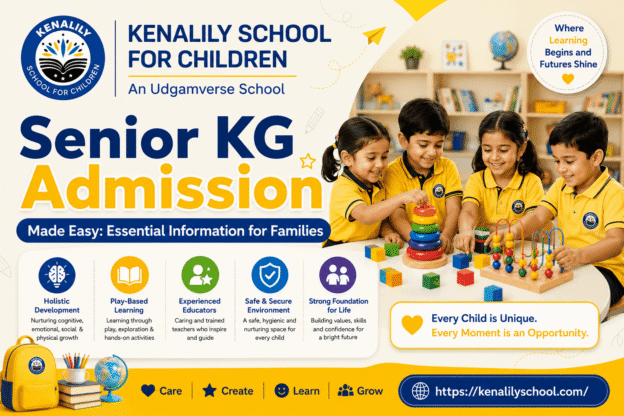
Choosing the right educational path for a child is one of the most important decisions families make. As children grow and develop new skills, parents often begin exploring the next step in their academic journey. Understanding the process, requirements, and expectations can make this transition smoother and less stressful. Whether you are researching schools, comparing curricula, or preparing documents, having clear guidance is essential. For many parents, planning ahead for Senior Kg Admission helps ensure that children are ready for a positive and enriching learning experience.
Early childhood education plays a significant role in building confidence, communication skills, creativity, and foundational academic abilities. At this stage, children become more independent and begin developing stronger social and cognitive skills. A well-structured classroom environment supports these milestones through engaging activities, interactive lessons, and age-appropriate learning methods.
Families often begin their search by reviewing different educational options available in their city. School selection should involve careful consideration of teaching philosophy, safety standards, infrastructure, faculty qualifications, and extracurricular opportunities. Visiting campuses, attending orientation sessions, and interacting with educators can provide valuable insights into whether a particular institution aligns with a child’s needs and family expectations.
Key Factors Families Should Consider Before Enrollment
When evaluating schools for the next stage of early learning, parents should focus on several important aspects:
- Academic curriculum and teaching methodology
- Classroom size and student-teacher ratio
- Safety measures and security protocols
- Availability of creative and physical development activities
- Communication practices between educators and parents
- Learning resources, libraries, and technology integration
- Transportation facilities and convenience
School culture and values
Understanding these factors helps families make informed decisions that support both educational growth and emotional well-being.
Many parents begin exploring options during the preschool stage. Researching Nursery Admission In Ahmedabad can provide valuable information about institutions that offer a continuous learning pathway. Schools with a strong foundation program often ensure consistency in teaching methods and educational goals as children progress through different levels.
Documentation is another important aspect of the enrollment process. While requirements may vary among institutions, families are typically asked to provide identification documents, birth certificates, photographs, proof of residence, and previous academic records if applicable. Preparing these materials in advance can help avoid last-minute challenges and ensure a smoother application experience.
Parents should also pay attention to application timelines. Many schools have limited seats and follow specific schedules for registrations, assessments, and confirmations. Missing important dates can reduce available options, making early planning particularly beneficial. Creating a checklist and maintaining a calendar of deadlines can simplify the process considerably.
An important stage that often precedes this level is Junior Kg Admission : a period during which children strengthen language, numeracy, and social interaction skills. The learning experiences gained during this phase contribute significantly to readiness for more structured classroom activities. Reviewing a child’s progress and discussing developmental milestones with teachers can help families understand whether additional support may be needed before advancing.
Beyond academics, emotional preparedness is equally important. Children entering higher early-learning levels may encounter new routines, classroom expectations, and social environments. Parents can support this transition by encouraging independence, establishing consistent daily schedules, and fostering positive attitudes toward learning. Reading together, engaging in creative activities, and practicing basic communication skills can further enhance readiness.
Another consideration is the educational approach adopted by the school. Some institutions emphasize activity-based learning, while others combine structured academics with experiential methods. Families should evaluate how each approach aligns with their child’s learning style. Observing classroom interactions and discussing educational goals with teachers can provide a clearer understanding of the learning environment.
Extracurricular activities also contribute significantly to overall development. Music, art, dance, sports, storytelling, and group projects help children build confidence, teamwork, and problem-solving abilities. Schools that balance academics with creative exploration often create a more engaging and enjoyable educational experience.
Parent-school collaboration is another factor that should not be overlooked. Regular communication between educators and families helps monitor progress, address concerns, and celebrate achievements. Institutions that encourage active parental involvement often create stronger support systems for children, leading to better educational outcomes.
Financial planning is equally important during school selection. Families should review fee structures, transportation costs, activity charges, and any additional expenses associated with enrollment. Understanding the complete cost structure helps avoid unexpected financial commitments later in the academic year.
Technology has also transformed how schools manage applications and communication. Many institutions now provide online registration platforms, digital document submission, virtual orientation sessions, and parent portals. These tools simplify administrative processes and provide convenient access to important information throughout the year.
It is helpful for families to create a shortlist of preferred schools based on location, curriculum, reputation, facilities, and overall fit. Comparing options side by side allows parents to make decisions based on objective criteria rather than marketing materials alone. Gathering feedback from current parents and reviewing independent assessments can also provide useful perspectives.
Ultimately, every child is unique, and the ideal educational environment should support individual strengths, interests, and developmental needs. A thoughtful approach to school selection can lay the groundwork for future academic success while nurturing curiosity, confidence, and a lifelong love of learning.
In conclusion, careful research, timely preparation, and a clear understanding of educational priorities can make the enrollment process significantly easier for families. By evaluating schools thoroughly, preparing required documents in advance, and supporting children emotionally through the transition, parents can make confident decisions about senior kg admission in ahmedabad and help create a positive start to the next stage of learning.
Faqs
What documents are generally required during the admission process?
Commonly required documents include a birth certificate, passport-size photographs, address proof, and previous academic records, if applicable.
When should parents begin the application process?
It is advisable to start researching schools and submitting applications several months before the academic session begins to avoid missing important deadlines.
How can parents determine if a school is the right fit for their child?
Parents should evaluate factors such as teaching methods, safety measures, infrastructure, extracurricular activities, and the overall learning environment.