Tag Archives: Integrated Schooling with Entrance Exam Preparation

Dummy School In Ahmedabad

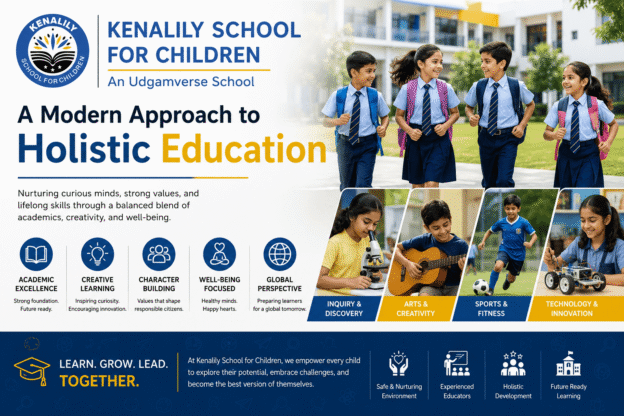
A Modern Approach to Holistic Education


 Dummy School In Ahmedabad

Education is undergoing a major transformation, shifting from rigid academic systems to more flexible and holistic learning models. Schools today are expected to nurture not only academic excellence but also emotional intelligence, creativity, and real-world readiness. This evolving approach ensures that students are better equipped to handle future academic and professional challenges. Parents are increasingly exploring institutions that align with this philosophy while maintaining strong academic discipline. In this context, the idea of a Dummy School In Ahmedabad reflects a growing demand for flexible and student-focused learning environments.

Understanding Modern Admission Trends in Schools

Admission processes in contemporary schools are becoming more structured, transparent, and student-oriented. Institutions are focusing on evaluating a child’s overall potential rather than relying solely on academic scores.

The Dummy School Admission In Ahmedabad trend highlights how schools are adapting to evolving educational needs. Admission systems now typically include:

Detailed student profiling and academic assessment

  • Interaction-based admission processes
  • Focus on student interests and learning style
  • Parental counseling and guidance sessions
  • Evaluation of co-curricular involvement

These processes ensure that students are placed in environments that support their individual growth and learning pace. Schools are increasingly prioritizing compatibility between teaching methods and student needs.

Key Elements of Holistic Education Systems

Holistic education focuses on developing multiple aspects of a student’s personality, including intellectual, emotional, and social growth. It goes beyond traditional classroom teaching and encourages active participation in diverse learning experiences.

Important components include:

  • Academic learning integrated with life skills
  • Emotional and social development programs
  • Exposure to arts, sports, and cultural activities
  • Critical thinking and problem-solving training
  • Technology-enabled learning environments
Learning Dimension> Traditional Education Holistic Education>
Academic Focus Exam-oriented Exam-oriented
Encourages creativity and motor skills Concept-based learning
Skill Development Limited Broad and continuous>
Student Engagement Passive Active participation
Learning Style Rote memorization Experiential learning/span>

This approach ensures students grow into well-rounded individuals capable of adapting to different life situations.

Evolving School Systems in Urban Areas

Urban education systems are rapidly evolving to meet the expectations of modern families. Schools are upgrading infrastructure, teaching methodologies, and student engagement models to create more effective learning environments.

In many regions, the demand for Dummy School In Thaltej Ahmedabad reflects the growing need for accessible, flexible, and modern schooling options. These institutions often focus on:

  • Small batch sizes for personalized attention
  • Advanced digital learning tools
  • Balanced academic and extracurricular schedules
  • Continuous performance tracking systems
  • Safe and supportive campus environments

Such developments help create a more inclusive and student-friendly education system that adapts to individual learning needs.

Academic Balance and Skill Development in Schools

Modern education emphasizes balancing academic achievement with essential life skills. Schools are no longer limited to textbook learning; they now aim to prepare students for real-world challenges through structured development programs.

Key focus areas include:

  • Communication and public speaking skills
  • Leadership and teamwork activities
  • Problem-solving through real-life scenarios
  • Creative expression through arts and projects
  • Physical development through sports and fitness

This balanced approach ensures students are not only academically strong but also socially confident and emotionally stable.

Preparing Students for Future Learning Pathways

Education systems are increasingly designed to prepare students for higher education and global opportunities. Schools are adopting methods that encourage curiosity, exploration, and independent thinking.

Core strategies include:

  • Inquiry-based learning methods
  • Integration of digital classrooms
  • Continuous feedback and improvement cycles
  • Career awareness programs at early stages
  • Focus on analytical and reasoning skills

These strategies help students build a strong foundation for future academic success and personal development.

Conclusion

Modern education is moving toward flexible and student-centered learning systems that focus on overall development rather than academic performance alone. Parents are increasingly seeking institutions that align with these evolving expectations, leading to the rise of structured yet adaptive schooling models. In this evolving landscape, the demand for Top dummy school in Ahmedabad reflects a shift toward more personalized education approaches. Kenalily School continues to be part of this progressive educational movement, supporting holistic development and future-ready learning for students.

FAQs
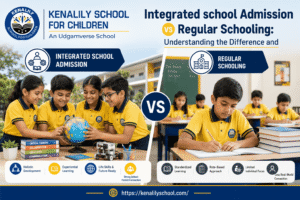


Integrated school Admission vs Regular Schooling: Understanding the Difference


Integrated school in Ahmedabad

Education systems today offer multiple academic pathways, each designed to meet different learning objectives and career aspirations. Among these pathways, the contrast between alternative enrolment models and conventional classroom-based education often raises questions for parents and students alike. The distinction becomes especially relevant for learners preparing for competitive examinations, professional training, or flexible academic routes. Within this context. Integrated School Admission In Ahmedabad has emerged as a widely discussed option, often compared directly with traditional institutional learning.

This comparison is not about choosing a superior approach, but about understanding structural differences, academic expectations, and long-term implications. Both models operate within defined regulatory frameworks, yet they serve fundamentally different educational purposes.

What Defines Regular Schooling?

Regular schooling represents the most familiar academic structure. It follows a full-time learning format where students attend classes daily, participate in assessments, and engage in co-curricular activities. This approach emphasises holistic development, blending academic instruction with social interaction, discipline, and personal growth.

Key characteristics commonly associated with conventional schooling include:

  • Daily classroom engagement with subject teachers
  • Continuous internal assessments and periodic examinations
  • Structured timetables and attendance requirements
  • Emphasis on extracurricular participation, teamwork, and communication skills

This system is designed to create a balanced educational environment. It nurtures intellectual capability while also supporting emotional maturity and social awareness. For many learners, this framework provides stability and a clear academic rhythm throughout the year.

Understanding Integrated School Admission

In contrast, a Integrated enrolment model operates with minimal physical attendance. Students are formally registered with an institution but primarily focus on external coaching, self-study, or specialised preparation outside the campus environment. Academic evaluation is usually aligned with board requirements rather than daily classroom interaction.

This arrangement is often chosen by students pursuing demanding entrance examinations, professional sports, or creative disciplines requiring flexible schedules. Integrated School Admission In Ahmedabad reflects this growing preference for academic adaptability within regulated educational norms.

Core aspects of this model generally include:

  • Limited on-campus attendance
  • Focus on board examinations rather than internal grading
  • Greater flexibility for external academic or professional commitments
  • Reduced involvement in co-curricular programmes

While the structure appears less immersive, it serves a specific objective: allowing students to dedicate time and energy to focused preparation without daily institutional constraints.

Academic Structure and Learning Environment

The learning environment is where the most visible differences emerge. Regular schooling thrives on interaction teacher-led discussions, peer collaboration, and classroom-based problem solving. Learning is incremental and reinforced through consistent evaluation.

By comparison, alternative enrolment relies heavily on independent discipline. Students manage their own study schedules and depend on external resources such as coaching centres or private tutors. This environment demands self-motivation, time management, and academic clarity from an early stage.

Neither structure inherently limits academic success. Instead, outcomes depend on how well the learner adapts to the chosen framework and uses available resources effectively.

Attendance, Assessment, and Accountability

Attendance policies form a central point of divergence. Traditional institutions maintain strict attendance benchmarks, linking classroom presence to academic progression. Internal assessments contribute significantly to final performance, encouraging continuous engagement.

Alternative enrolment models operate differently. Attendance requirements are relaxed, and academic accountability centres on board-level examinations. For families seeking a Integrated School In Ahmedabad, this flexibility often becomes the deciding factor, particularly when academic goals extend beyond standard curricula.

However, reduced institutional oversight also shifts responsibility onto the student. Without regular monitoring, consistency and academic discipline must come from personal commitment rather than external enforcement.

Social Development and Peer Interaction

One frequently discussed concern involves social exposure. Regular schooling naturally facilitates interpersonal development through daily peer interaction, group activities, and collaborative learning experiences. These elements contribute to confidence, adaptability, and communication skills.

In contrast, limited campus presence can reduce everyday social engagement. While students may still interact within coaching environments or extracurricular circles, the experience differs from a full-time academic setting. This distinction does not equate to social isolation, but it does alter the context in which interpersonal skills develop.

Families evaluating a Integrated school near me often consider this factor carefully, balancing academic focus with the importance of social maturity and emotional intelligence.

Suitability Based on Student Goals

Choosing between these models depends largely on individual objectives. Regular schooling suits learners who benefit from structured routines, continuous guidance, and a comprehensive developmental environment. It supports steady academic progression alongside personal growth.

Alternative enrolment aligns more closely with students who require schedule flexibility due to:

  • Competitive examination preparation
  • Professional sports or performance training
  • Creative or vocational pursuits demanding dedicated practice time

The decision should reflect the learner’s temperament, academic discipline, and long-term ambitions rather than prevailing trends.

Parental Role and Involvement

Parental involvement also differs significantly between the two approaches. In a conventional setting, institutional systems manage most academic tracking, providing regular feedback and structured communication.

With alternative enrolment, families often assume a more active role. Monitoring study routines, coordinating external coaching, and ensuring academic balance become shared responsibilities. This increased involvement can be effective when approached with clarity and consistency.

Regulatory Awareness and Ethical Considerations

Understanding compliance is essential. Both models operate under educational board regulations, and adherence to guidelines safeguards academic validity. Transparency in enrolment, assessment, and certification ensures that students face no complications during board examinations or higher education admissions.

Responsible institutions prioritise regulatory alignment, ensuring that academic flexibility does not compromise educational integrity.

Long-Term Academic Impact

From a long-term perspective, neither approach restricts higher education opportunities when pursued correctly. Universities and professional institutions typically evaluate board results, entrance examination scores, and eligibility criteria rather than schooling format alone.

What matters most is academic preparedness, subject mastery, and personal readiness for advanced studies. The learning model simply shapes how that preparedness is achieved.

Conclusion

Understanding the distinction between traditional classroom education and alternative enrolment models allows families to choose with clarity rather than assumption. Each approach serves a defined purpose within the broader academic ecosystem. When selected thoughtfully and supported responsibly, both can lead to successful educational journeys.

For those exploring options such as Integrated School In Thaltej Ahmedabad, institutions like Kenalily School for Children highlight the importance of structured guidance, regulatory awareness, and student-centric planning in shaping meaningful academic pathways.