
Category Archives: Blog – Kenalily School For Children, Best CBSE School Supporting Parents.

Best Preschool In Ahmedabad

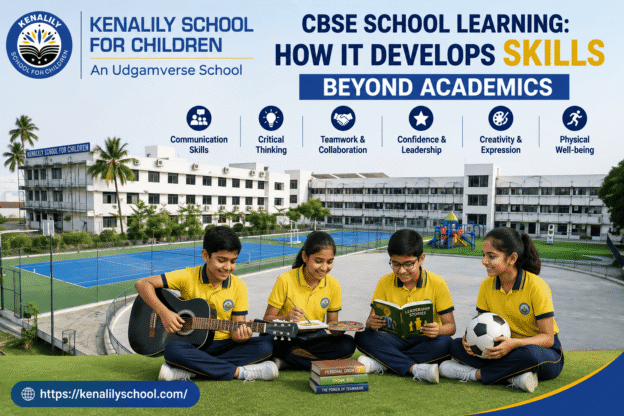
CBSE School Learning: How It Develops Skills Beyond Academics


Best CBSE School In Ahmedabad

Education is no longer limited to textbooks, examinations, and memorising information. A well-rounded learning environment helps children develop communication, creativity, critical thinking, teamwork, leadership, confidence, and problem-solving abilities. These skills can influence how students handle challenges in school and later in higher education and professional life. For parents exploring the Best CBSE School In Ahmedabad, it is important to understand how classroom learning can support development beyond marks and grades. A strong educational approach combines subject knowledge with practical experiences that encourage children to ask questions, explore ideas, collaborate with others, and apply what they learn to real-life situations.

CBSE learning can develop skills beyond academics through projects, experiments, sports, arts, technology, discussions, presentations, and collaborative activities. These experiences encourage students to think independently, communicate effectively, solve problems, manage responsibilities, and connect classroom concepts with practical situations.

How Does Learning Beyond Academics Benefit Students?

Academic knowledge gives students an important foundation, but children also need transferable skills to use that knowledge effectively. A student may understand a scientific concept but still need communication and teamwork skills to explain it or complete a group project successfully.

A balanced educational experience can help students develop:

  • Communication: Expressing ideas clearly through speaking, writing, and presentations.
  • Critical thinking: Examining information and making logical decisions.
  • Creativity: Developing original ideas and exploring different solutions.
  • Teamwork: Cooperating with classmates and respecting different perspectives.
  • Problem-solving: Applying knowledge to unfamiliar situations.
  • Leadership: Taking initiative and accepting responsibility.
  • Self-management: Organising time, tasks, and learning responsibilities.

These capabilities are valuable because they can be applied across subjects and everyday situations.

Why Is Experiential Learning Important?

Experiential learning allows students to understand concepts through activities, observation, experimentation, and practical application. Instead of simply reading about a topic, learners can investigate questions and discover how concepts work in real situations.

For example, an environmental project could ask students to examine waste generated at school. They might collect information, classify materials, calculate quantities, research recycling methods, and present their recommendations.

Such an activity can develop several abilities simultaneously:

Research: Students learn to locate and evaluate relevant information.
Analysis: They interpret observations and identify patterns.
Collaboration: Team members divide tasks and work together.
Communication: Findings are shared through presentations or reports.
Problem-solving: Students suggest practical improvements.

This approach makes learning more meaningful because children understand how knowledge can be applied outside a textbook.

How Do Projects Encourage Independent Thinking?

Projects give students opportunities to make choices rather than simply follow predetermined answers. Depending on their age, learners may decide how to collect information, organise findings, design a presentation, or solve a particular challenge.
Teache

rs remain important throughout this process. Their role is to provide guidance, ask questions, explain difficult concepts, and give constructive feedback.

Parents researching educational options can also examine a List Of CBSE Schools In Ahmedabad to compare teaching methods, project opportunities, student participation, and extracurricular programmes. However, the number of activities should not be the only consideration. Their educational purpose and quality matter more.

How Do Sports and Arts Build Life Skills?

Sports and creative activities provide learning opportunities that are different from traditional classroom lessons.
Team sports can encourage discipline, cooperation, perseverance, respect for rules, and resilience. Students experience both success and disappointment, helping them understand how to respond constructively to different outcomes.

Arts can support imagination, self-expression, confidence, and attention to detail. Activities such as theatre, music, painting, dance, and creative writing allow children to communicate ideas in different ways.

These experiences can complement academic learning by helping students become more confident and adaptable.

How Does Technology Support Skill Development?

Technology can become a powerful learning tool when it is used for investigation and creation rather than passive consumption.

Students may use digital tools to:


  • research informationcreate presentations
  • analyse data;
  • develop simple programmes;
  • design digital projects;
  • collaborate on assignments;
  • explore simulations and educational resources.

Technology-related learning can also introduce students to responsible digital behaviour. They need to understand information reliability, online safety, privacy, ethical technology use, and appropriate communication.

CBSE has increasingly incorporated areas such as artificial intelligence, coding, robotics, STEM education, and computational thinking into its educational resources. The emphasis should remain on meaningful learning rather than using technology simply because it is available.

How Can Parents Evaluate Skill-Based Learning?

Searching for a CBSE School In Ahmedabad Near Me may help families identify convenient options, but location should be only one part of the decision.

Parents can evaluate a school using these questions:

  • Does the teaching approach encourage students to ask questions?
  • Are practical projects connected to classroom concepts?
  • Do children receive opportunities to present their work?
  • Are sports and creative activities integrated into student development?
  • How does the school support communication and teamwork?
  • Are students encouraged to solve problems independently?
  • Does assessment measure understanding and application as well as recall?

Parents should also review the school’s official affiliation information, curriculum, learning environment, teacher development practices, safety provisions, and student-support systems.

Academic Learning vs Skill-Based Development


Factor Traditional Focus Broader Learning Approach
Main emphasis Subject knowledge Knowledge plus practical application
Classroom role Teacher-led instruction Active student participation
Projects Occasional assignments Purposeful learning experiences
Communication Written answers Discussions, presentations, and writing
Problem-solving Familiar questions Real-world and unfamiliar challenges
Creativity Limited opportunities Encouraged through varied activities
Assessment Mainly examinations Multiple ways to demonstrate understanding

The two approaches do not need to compete. Strong academic foundations remain essential, while practical experiences help students understand how to use what they learn.

What Should Parents Look for in a Future-Ready Learning Environment?

A quality learning environment should provide opportunities for children to gradually develop academic knowledge and personal capabilities.

Parents should consider:

  • Curriculum: Is the academic foundation structured and age-appropriate?
  • Teaching: Are teachers encouraging curiosity and reasoning?
  • Activities: Do projects have meaningful learning objectives?
  • Communication: Can students express and defend their ideas?
  • Collaboration: Are children given opportunities to work with others?
  • Well-being: Does the environment support balanced development?
  • Feedback: Are students encouraged to learn from mistakes?
  • Responsibility: Do learners receive age-appropriate ownership of tasks?

The goal is not to keep children busy with numerous activities. It is to create experiences where every activity has a meaningful developmental purpose.

Common Mistakes Parents Should Avoid

One common mistake is judging an institution entirely by examination scores. Academic performance is important, but it does not provide a complete picture of a child’s educational experience.

Parents should also avoid selecting a school based only on:

  • the number of extracurricular activities;
  • impressive infrastructure;
  • promotional claims;
  • rankings without context;
  • proximity to home.

Instead, families should investigate how students actually learn, participate, communicate, collaborate, and receive feedback.

Key Takeaways

  • Learning should develop academic knowledge as well as practical abilities.
  • Projects can strengthen research, teamwork, communication, and problem-solving.
  • Sports and arts support confidence, discipline, creativity, and resilience.
  • Technology can encourage research, digital literacy, innovation, and responsible use.
  • Parents should evaluate teaching practices rather than relying on promotional claims.
  • A balanced environment gives students opportunities to apply knowledge in meaningful situations.

Conclusion

A meaningful school experience should prepare children not only to answer examination questions but also to understand problems, communicate ideas, collaborate with others, and make thoughtful decisions. Projects, practical activities, technology, sports, arts, discussions, and presentations can turn everyday learning into opportunities for broader development.

When comparing CBSE Schools In Ahmedabad, parents should therefore look beyond marks and visible facilities. The more important consideration is whether students receive consistent opportunities to apply knowledge, explore ideas, build confidence, and develop skills for real-world situations.

Parents can also explore Kenalily School to understand its educational approach, learning environment, curriculum, and opportunities for student development. Reviewing these factors carefully can help families make a more informed and child-focused educational decision.

Faqs

Extracurricular activities provide experiences that complement classroom learning. Sports can encourage discipline and teamwork, while arts can support creativity and expression. Clubs, competitions, debates, and cultural activities can also give students opportunities to develop confidence, communication, leadership, and organisational abilities in situations that may differ from regular lessons.

Parents should consider curriculum quality, teaching methods, teacher support, student participation, assessment practices, extracurricular opportunities, safety, infrastructure, communication with families, and the overall learning environment. It is useful to visit the school, ask specific questions, and understand how activities contribute to children's development rather than choosing solely on reputation or convenience.

Yes. Well-designed projects can require students to investigate a question, gather information, compare options, make decisions, and present a solution. This process can strengthen analytical thinking and encourage learners to approach unfamiliar challenges. Projects become particularly valuable when students are allowed to explain their reasoning and reflect on what they learned.

Holistic development helps children build capabilities that complement academic knowledge. Communication, creativity, collaboration, critical thinking, resilience, and self-management can support students throughout higher education and later professional life. Developing these abilities gradually can help young learners become more independent and better prepared to respond to changing circumstances.
third party manufacturing company

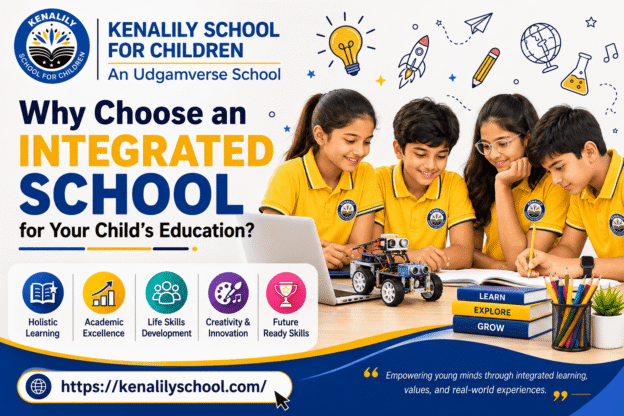
Why Choose an Integrated School for Your Child’s Education?


Best integrated school in Ahmedabad

Choosing the right educational environment can significantly influence a child’s academic progress, confidence, interests, and overall development. Many parents today are looking beyond conventional classroom teaching and exploring learning models that connect academics with practical skills, activities, and personal growth. A Best integrated school in Ahmedabad may offer an approach where different aspects of education are thoughtfully connected, helping learners develop knowledge while also preparing for real-world challenges. Instead of focusing exclusively on examination performance, this model can encourage curiosity, creativity, collaboration, communication, and independent thinking.

An integrated learning environment typically brings together multiple educational experiences within a coordinated framework. Depending on the institution, students may receive opportunities to participate in academics, sports, arts, technology, life-skills activities, projects, and other enrichment programs. This broader approach can make education more meaningful because children are encouraged to understand how classroom concepts relate to situations beyond textbooks.

How an Integrated Learning Environment Supports Children

One of the major advantages of this educational model is its emphasis on holistic development. Children have different strengths, interests, learning speeds, and personalities. A flexible environment can provide opportunities for them to discover these qualities rather than measuring their abilities through academics alone.

Parents researching an Integrated school in Ahmedabad should consider how the institution approaches curriculum delivery, student participation, skill development, teacher interaction, and co-curricular opportunities. The objective should not simply be to provide more activities but to create meaningful connections between different areas of learning.

Here are several reasons why this approach can be valuable:

  • Holistic development: Academic learning can be combined with physical, creative, social, and emotional development
  • Practical learning: Projects, experiments, presentations, and activities can help students connect theoretical concepts with practical situations.
  • Better time management: A coordinated educational structure may help children balance studies, activities, recreation, and personal interests.
  • Skill development: Communication, teamwork, problem-solving, leadership, and decision-making can be developed alongside subject knowledge.
  • Greater engagement: Interactive lessons and activity-based experiences can make children more interested in the learning process.
  • Individual interests: Exposure to different disciplines allows students to identify areas they enjoy and potentially develop further.
  • Collaborative learning: Group activities can teach students how to communicate respectfully, share responsibilities, and work toward common objectives.
  • Future readiness: Modern education increasingly requires adaptability, digital awareness, creativity, and critical thinking, in addition to strong academic foundations.

A Balanced Approach to Academics and Activities

A common misconception is that an integrated educational model means reducing academic focus. In reality, the objective is usually to create connections between academic knowledge and other forms of learning. Strong subject foundations remain important, but students may also be encouraged to understand, apply, question, and discuss what they learn.

For example, a science lesson could be supported through experiments, environmental projects, demonstrations, or technology-based activities. Mathematics can be connected with everyday problem-solving, budgeting exercises, measurements, or logical games.

Language learning can extend beyond written examinations through discussions, presentations, storytelling, and creative writing.
Such experiences can help students understand that education is not limited to memorizing information. Knowledge becomes more valuable when learners can apply it in different contexts.

Encouraging Confidence and Independence

Children need opportunities to make decisions, express opinions, solve problems, and learn from mistakes. An educational environment that encourages participation can gradually strengthen confidence.

Presentations, group assignments, competitions, creative activities, and classroom discussions can provide students with opportunities to communicate their ideas. Teachers can guide learners while allowing them enough independence to explore solutions.
This can also help children become more comfortable with challenges. Instead of viewing mistakes only as failures, they can learn to treat them as opportunities to improve. Such an attitude can become valuable throughout higher education and professional life.

Preparing Students for a Changing Future

The expectations placed on young people are changing rapidly. Academic qualifications remain important, but employers and higher education institutions also value skills such as communication, collaboration, creativity, adaptability, analytical thinking, and responsible decision-making.

An educational framework that introduces children to different forms of learning can help build these capabilities gradually. Technology, project-based assignments, teamwork, research activities, and creative expression can complement conventional lessons and give learners a broader foundation.

However, parents should avoid choosing an institution solely because it offers a long list of activities. Quality matters more than quantity. Families should examine whether activities are thoughtfully connected to learning objectives and whether students receive appropriate guidance.

What Parents Should Consider Before Making a Choice

When comparing educational institutions, parents should look beyond infrastructure and promotional claims. The teaching philosophy, curriculum, teacher experience, student support, safety standards, classroom environment, and communication with families can all influence the quality of a child’s experience.

Parents searching for an Integrated school near me can begin by preparing a practical checklist and visiting potential institutions where possible. Speaking with teachers and understanding how the learning model operates on an everyday basis can provide useful insights.

Consider factors such as:

  • Curriculum structure and academic standards
  • Teacher-to-student interaction
  • Co-curricular and extracurricular opportunities
  • Sports, arts, technology, and creative learning
  • Student wellbeing and pastoral support
  • Assessment methods and feedback systems
  • Communication between parents and educators
  • Opportunities for projects and experiential learning
  • Accessibility and daily commute
  • Overall learning environment and values

The right choice ultimately depends on the child’s individual needs, interests, learning style, and long-term educational goals. What works well for one learner may not necessarily suit another.

Conclusion

An integrated approach can offer children a broader educational experience by connecting academic knowledge with practical experiences, creativity, collaboration, physical activity, and personal development. It can help learners build not only subject knowledge but also the confidence and skills needed to navigate future opportunities.

Parents should make their decision carefully by understanding the institution’s educational philosophy, observing its learning environment, and considering whether its approach matches their child’s needs. Rather than selecting an institution based only on popularity or promotional claims, families can focus on teaching quality, student support, meaningful learning opportunities, and long-term development. Whether considering an ahmedabad international school or another educational model, the goal should remain the same: creating a supportive environment where children can learn, explore, grow, and become capable, responsible individuals.

Faqs

It can support academic understanding while developing creativity, communication, teamwork, critical thinking, confidence, and problem-solving abilities.

Traditional education may focus primarily on subject-based instruction, while an integrated approach connects academic concepts with practical activities and skills.

Parents should consider curriculum quality, teaching methods, student support, safety, extracurricular opportunities, learning facilities, teacher interaction, and the child’s individual needs.

It can benefit many learners, but parents should consider their child’s learning style, interests, academic requirements, personality, and long-term goals before making a decision.


Best cbse school

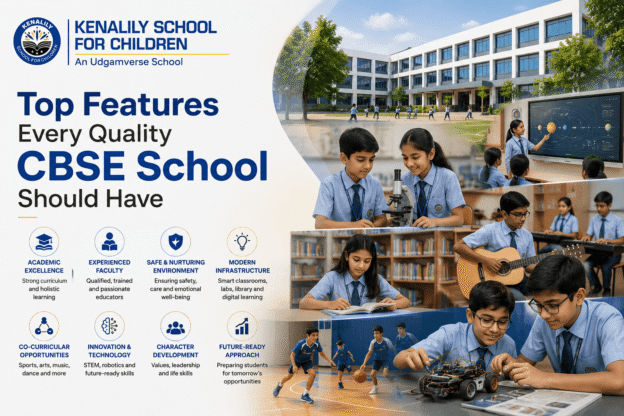
Top Features Every Quality CBSE School Should Have


Ahmedabad CBSE Schools

Choosing the right educational institution is one of the most important decisions parents make for their child’s future. A quality learning environment builds strong academic knowledge while also nurturing creativity, discipline, confidence, and practical life skills. Parents should look beyond examination results and evaluate teaching methods, campus facilities, student support, and overall development opportunities. While exploring different options, many families compare Ahmedabad CBSE Schools to understand which institutions provide balanced education, modern infrastructure, and a positive atmosphere that encourages students to achieve their full potential throughout their academic journey.

Essential Features That Define a High-Quality Learning Institution

1. Student-Centered Teaching Methods

A quality institution focuses on making learning engaging rather than relying only on traditional classroom lectures. Interactive discussions, project-based activities, and practical applications help students understand concepts more effectively. Teachers encourage curiosity, problem-solving, and independent thinking, making learning enjoyable and meaningful.

2. Qualified and Experienced Faculty

Teachers are the foundation of every successful educational institution. Experienced educators understand different learning styles and provide personalized guidance whenever needed. Continuous professional development also ensures that teaching practices remain aligned with modern educational standards and classroom innovations.

3. Modern Learning Infrastructure

A well-equipped campus enhances both academic learning and extracurricular participation.

table

Modern infrastructure creates an environment where students enjoy learning while developing multiple skills.

4. Well-Planned Academic Curriculum

An organized academic schedule helps students learn systematically without unnecessary pressure. Balanced lesson plans, regular assessments, and constructive feedback ensure continuous improvement throughout the academic year.

Parents searching for a CBSE Board School Near Me should review the academic approach carefully rather than focusing only on board examination performance.

5. Holistic Student Development

Education extends far beyond textbooks. Quality institutions encourage participation in cultural, creative, and leadership activities that help children develop confidence and communication skills.

Students benefit from opportunities such as:

  • Music and dance programs
  • Debate and public speaking competitions
  • Art, craft, and theatre activities
  • Science exhibitions and innovation projects

These activities contribute significantly to overall personality development.

6. Safe and Secure Campus Environment

A secure campus gives parents confidence while allowing students to focus on learning.

Important safety measures include:

  • CCTV surveillance
  • Trained security personnel
  • Medical assistance
  • Fire safety systems

Strong safety standards create a comfortable environment for students, teachers, and parents.

7. Technology-Enabled Learning

Technology has become an important part of education. Digital classrooms, online assignments, learning platforms, and interactive educational tools make lessons more engaging while preparing students for a technology-driven future.

Rather than replacing teachers, technology supports classroom learning by improving participation and concept clarity.

8. Individual Attention to Every Student

Every child has unique strengths and learning needs. Institutions with balanced classroom sizes allow teachers to provide personalized attention, identify learning gaps, and encourage students to improve at their own pace.

This supportive approach builds confidence and reduces academic stress.

9. Strong Parent-School Communication

Regular communication between parents and educators helps monitor academic progress and overall development.

Effective communication usually includes parent meetings, progress reports, counseling sessions, and timely updates regarding school activities. A collaborative partnership creates a stronger support system for every student.

10. Balanced Assessment System

A modern assessment process evaluates both academic knowledge and practical skills rather than depending only on final examinations.

Assessment methods often include:

  • Written examinations
  • Project work
  • Practical activities
  • Classroom participation

This comprehensive evaluation encourages consistent learning instead of last-minute preparation.

11. Sports and Co-Curricular Activities

Physical fitness and extracurricular participation are essential for developing teamwork, leadership, and discipline. Students who participate regularly in sports and cultural events often demonstrate improved confidence, communication skills, and emotional well-being.

Many parents compare the List Of CBSE Schools In Ahmedabad to understand which institutions provide a balanced combination of academics, sports, arts, and personality development opportunities.

12. Value-Based Education

Academic excellence should always be supported by strong moral values. Respect, honesty, empathy, responsibility, and environmental awareness prepare students to become responsible citizens capable of making positive contributions to society.

Institutions that integrate values into everyday learning help shape confident and ethical future leaders.

Conclusion

Choosing the right educational institution requires careful evaluation of teaching quality, infrastructure, student safety, extracurricular opportunities, technology integration, and value-based learning. Academic performance remains important, but true success comes from an environment that encourages curiosity, creativity, confidence, and lifelong learning. Parents comparing the Best CBSE Schools In Ahmedabad should prioritize institutions that provide holistic development alongside strong academic foundations, ensuring children are well prepared for higher education, future careers, and responsible citizenship.

Faqs

Compare academic performance, teacher qualifications, infrastructure, student-teacher ratio, co-curricular opportunities, campus safety, and parent reviews before making a decision.

Holistic development helps students build communication, leadership, creativity, teamwork, and problem-solving skills alongside academic excellence, preparing them for future challenges.

Reviewing the List Of CBSE Schools In Ahmedabad helps parents compare facilities, teaching methods, extracurricular programs, safety standards, and overall learning environments to make an informed choice.

Many Ahmedabad CBSE Schools offer structured academics, experienced teachers, modern infrastructure, technology-enabled learning, sports facilities, and balanced co-curricular programs that support overall student development.


Essential Factors to Consider Before Choosing a CBSE School


Best CBSE Schools In Ahmedabad

Selecting the right educational institution is one of the most important decisions parents make for their child’s future. A well-rounded learning environment helps students develop academic knowledge, confidence, creativity, and essential life skills. While academic results are important, families should also evaluate teaching quality, student support, infrastructure, extracurricular opportunities, and overall learning culture before making a final decision. During the research process, many parents compare the Best CBSE Schools In Ahmedabad to understand which institution aligns with their child’s learning needs and long-term goals. Taking time to assess every aspect carefully leads to a more informed and confident choice.

Key Factors That Matter When Selecting the Right Institution

Choosing an educational campus involves much more than looking at examination performance. Every child has unique strengths, interests, and learning styles, making it essential to evaluate several important aspects before admission.

1. Academic Curriculum and Teaching Approach

The curriculum should encourage conceptual understanding rather than rote memorization. Effective teachers use interactive classroom methods, practical activities, project-based learning, and technology to improve student engagement. Parents should understand how lessons are delivered and whether the teaching methodology supports analytical thinking and problem-solving skills.

2. Qualified and Experienced Faculty

Teachers play a significant role in shaping a child’s educational journey. Look for institutions that employ trained educators who regularly participate in professional development programs. Experienced faculty members can identify individual learning needs and provide personalized guidance whenever required.

3. Student-Teacher Ratio

A balanced student-teacher ratio allows educators to provide individual attention. Smaller classroom sizes encourage active participation, better communication, and improved academic monitoring. This also helps identify learning challenges at an early stage.

4. Infrastructure and Learning Facilities

Modern classrooms, science laboratories, computer labs, libraries, sports facilities, and creative activity spaces contribute significantly to holistic education. Safe and well-maintained infrastructure creates an environment where students can learn comfortably while developing multiple skills beyond academics.

5. Focus on Overall Development

Education should extend beyond textbooks. Participation in sports, arts, music, cultural activities, debates, and leadership programs helps children build confidence, communication skills, teamwork, and emotional intelligence.

Some important aspects to evaluate include:

  • Teaching methodology focused on conceptual learning
  • Qualified and supportive faculty members
  • Safe campus with modern infrastructure
  • Sports, cultural, and extracurricular opportunities
  • Transparent communication with parents
  • Student counseling and career guidance
  • Strong emphasis on values and discipline

6. Safety and Security Measures

Parents should carefully assess campus safety. Secure entry systems, CCTV surveillance, trained security personnel, first-aid facilities, fire safety measures, and well-defined emergency protocols contribute to a secure learning environment. Safe transportation services also add peace of mind for families.

7. Parent Communication

Regular interaction between educators and parents helps monitor student progress effectively. Institutions that conduct parent-teacher meetings, share academic updates, and maintain open communication channels create stronger partnerships that benefit students.

8. Digital Learning Resources

Technology has become an integral part of modern education. Smart classrooms, digital libraries, online learning platforms, and interactive educational tools help students gain exposure to innovative learning methods while improving digital literacy.

9. Career Guidance and Student Support

Academic counseling, career awareness sessions, psychological support, and mentoring programs help students make informed decisions about future educational pathways. Emotional well-being is equally important for long-term academic success.

10. Reputation and Community Feedback

Speaking with existing parents, alumni, and local communities provides valuable insights into the institution’s strengths and overall learning environment. Online reviews, campus visits, and interaction with faculty members can also help families evaluate whether the institution matches their expectations.

Comparison Checklist for Parents

Evaluation Factor Why It Matters
Academic quality Builds strong conceptual understanding
Infrastructure Supports academics and extracurricular activities
Student support Encourages emotional and academic growth
Safety measures Creates a secure learning environment
Parent communication Keeps families informed about progress
Technology integration Enhances modern learning experiences
Extracurricular programs Develops confidence and life skills

When comparing different options, many families search online using phrases such as Schools In Ahmedabad List to explore available institutions. While online research offers useful information, visiting campuses personally provides a much clearer understanding of the learning environment, faculty interaction, facilities, and student engagement.

Similarly, search terms like CBSE School In Ahmedabad Near Me often help parents identify nearby options. However, convenience should not be the only deciding factor. Academic quality, student support, safety standards, teaching practices, and overall development opportunities deserve equal attention before finalizing admission.

Another useful step is observing how students interact with teachers during a campus visit. Friendly classroom environments, active participation, and organized facilities often indicate a positive educational culture. Parents should also ask about assessment methods, homework policies, counseling services, and opportunities for skill development outside traditional academics.

Transportation, hygiene, nutrition, healthcare support, and accessibility are additional practical considerations that directly affect a child’s daily experience. Institutions that maintain clean campuses, healthy food options, medical assistance, and organized transportation systems provide greater comfort for both students and parents.

Financial planning is another essential factor. Instead of focusing solely on fee structures, families should evaluate the value offered through academic resources, extracurricular activities, infrastructure, technology, and student support services.

Transparent admission procedures and clearly communicated policies also reflect good institutional management.

Ultimately, selecting the right educational institution requires balancing academic excellence with personal development, emotional well-being, safety, and future readiness. Every child deserves an environment that nurtures curiosity, confidence, creativity, and responsible citizenship. Careful research, campus visits, discussions with educators, and thoughtful comparison enable parents to make informed decisions that benefit their children for years to come. Families exploring Top CBSE Schools In Ahmedabad Gujarat should focus on long-term educational quality, supportive learning environments, and holistic student development rather than relying solely on rankings or popularity.

Faqs

A well-equipped campus with modern classrooms, laboratories, libraries, sports facilities, and digital learning resources creates a better environment for both academic and overall student development.

Parents can compare institutions by visiting campuses, reviewing academic performance, checking faculty qualifications, assessing safety standards, exploring extracurricular programs, and speaking with current parents or alumni.

Yes. A lower student-teacher ratio allows teachers to provide more personalized attention, monitor student progress effectively, and address individual learning needs.

Extracurricular activities help students develop leadership, teamwork, creativity, communication skills, confidence, and physical fitness alongside academic learning.


CBSE Schools In Ahmedabad

How to Select a CBSE School That Matches Your Child’s Needs


Ahmedabad Best School Choosing the right school is one of the most important decisions parents make for their child’s future. A quality learning environment shapes academic success, personal development, confidence, and lifelong values. Every child has different strengths, interests, and learning styles, so selecting the right institution requires careful evaluation rather than relying only on rankings or popularity. Parents should compare curriculum quality, teaching methods, infrastructure, student support, and extracurricular opportunities before making a decision. Families exploring CBSE Schools In Ahmedabad should focus on finding an institution that aligns with their child’s unique needs instead of choosing based solely on location or reputation.
Key Factors to Consider Before Finalizing a School

Every child learns differently, making it essential to evaluate multiple aspects before admission. A thoughtful comparison helps parents identify an environment where their child can grow academically, socially, and emotionally.

Important Factors at a Glance

Factor Why It Matters What Parents Should Check
Academic Quality Strong learning foundation Qualified teachers, consistent academic performance
Student-Teacher Ratio Better individual attention Smaller classroom sizes
Essential Skills Children Learn Cognitive, social, emotional, and physical development
Infrastructure Comfortable learning environment Smart classrooms, laboratories, library, playground
Safety Measures Child protection CCTV, transport safety, trained staff
Extracurricular Activities Overall personality development Sports, arts, music, robotics, clubs

Rather than choosing the first option available, parents should compare several institutions and visit campuses to understand the learning atmosphere.

Evaluate the Academic Approach

An effective academic system goes beyond textbooks and examinations. Look for institutions that encourage critical thinking, creativity, collaboration, and problem-solving. Interactive classrooms, project-based learning, and practical activities help children understand concepts more effectively than rote memorization.

  • Parents should also ask about:
  • Teaching methodologies
  • Homework policies
  • Assessment patterns
  • Digital learning tools
  • Subject enrichment programs

A balanced academic approach prepares students for higher education while developing practical life skills.

Observe the Learning Environment

A positive school environment significantly impacts a child’s confidence and emotional growth. During campus visits, observe classroom interactions, discipline practices, cleanliness, and the relationship between teachers and students.

  • A welcoming atmosphere often includes:
  • Friendly teachers
  • Respectful student behavior
  • Clean classrooms
  • Safe play areas
  • Organized campus management
  • Children perform better when they feel secure, valued, and motivated.

Check Teacher Qualifications and Experience

Teachers are the foundation of quality education. Experienced educators understand different learning styles and can provide appropriate guidance to every student.

Parents should consider:

  • Faculty experience
  • Professional development programs
  • Teacher retention rates
  • Subject specialization
  • Student mentoring systems

Consistent faculty members usually contribute to stable academic performance and stronger student relationships.

Assess Infrastructure and Learning Resources

Modern infrastructure supports better learning experiences. Beyond attractive buildings, parents should evaluate whether facilities genuinely contribute to student development.

Important facilities include:

  • Science laboratories
  • Computer labs
  • Well-stocked library
  • Sports facilities
  • Art and music rooms
  • Activity spaces
  • Clean sanitation facilities
  • Medical support

Technology-enabled classrooms also improve engagement and understanding across different subjects.

Focus on Holistic Development

Academic excellence alone is not enough in today’s competitive world. Students also need communication skills, leadership qualities, creativity, teamwork, and emotional intelligence.

A balanced institution should offer opportunities such as:

  • Sports competitions
  • Debate clubs
  • Drama and theatre
  • Music and dance
  • Coding workshops
  • Science exhibitions
  • Community service
  • Leadership programs

These activities build confidence while helping children discover their talents.

Review Safety Standards

Safety remains a top priority for every parent. Before admission, verify the institution’s safety policies and emergency preparedness.

Key safety features include:

  • CCTV surveillance
  • Secure campus entry
  • Verified transport staff
  • First-aid facilities
  • Fire safety systems
  • Child protection policies
  • Female staff availability for younger children

Parents should feel confident that their children remain protected throughout the school day.

Understand Student Support Services

Children sometimes require additional academic or emotional support. Counseling services, career guidance, remedial teaching, and mentorship programs help students overcome challenges while building confidence.

Ask whether the institution provides:

  • Academic counseling
  • Psychological support
  • Career guidance
  • Learning assistance
  • Wellness programs
  • Strong student support systems contribute to healthier educational experiences.

Compare Curriculum Beyond Academics

While academics remain important, the curriculum should also encourage practical learning. Parents looking through a Schools In Ahmedabad List should compare institutions based on overall development rather than examination scores alone.

Questions worth asking include:

  • Are project-based activities included?
  • How frequently are practical sessions conducted?
  • Are communication skills emphasized?
  • Is technology integrated into learning?
  • Are life skills taught alongside academics?

A comprehensive curriculum prepares children for future educational and professional challenges.

Visit the Campus Personally

Brochures and websites provide useful information, but a campus visit offers valuable firsthand insights. Parents can observe classroom culture, student engagement, and overall campus management.

During your visit, pay attention to:

  • Classroom atmosphere
  • Teacher interaction
  • Student behavior
  • Campus cleanliness
  • Sports facilities
  • Library resources
  • Security arrangements
  • Administrative responsiveness

Meeting current parents can also provide honest feedback about daily experiences.

Consider Accessibility and Transportation

Travel time affects both students and parents. Long daily commutes may reduce study time and increase fatigue.

Families searching for a CBSE School In Ahmedabad Near Me should evaluate transportation convenience while also considering educational quality. A shorter commute can improve attendance, reduce stress, and provide children with more time for extracurricular activities and family interaction.

Communication Between Parents and Teachers

Strong communication helps parents remain actively involved in their child’s progress.

Look for institutions offering:

  • Regular parent-teacher meetings
  • Progress reports
  • Mobile applications
  • Digital attendance updates
  • Assignment tracking
  • Event notifications

Transparent communication strengthens collaboration between families and educators.

Admission Process and Fee Transparency

Parents should clearly understand:

  • Admission criteria
  • Documentation requirements
  • Fee structure
  • Annual expenses
  • Transport charges
  • Activity fees
  • Scholarship opportunities

Transparent policies help families plan financially without unexpected surprises.

Conclusion

Selecting the right educational institution requires careful research, campus visits, and thoughtful comparisons. Every child deserves an environment that supports academic growth, creativity, confidence, and emotional well-being. Instead of making decisions based solely on popularity or convenience, parents should evaluate teaching quality, infrastructure, safety, extracurricular opportunities, and student support systems. By considering these factors together, families can confidently choose from the Best CBSE Schools In Ahmedabad and find a place where their child can learn, grow, and succeed for years to come.

Faqs

A well-equipped campus with modern classrooms, science and computer labs, libraries, sports facilities, and activity rooms creates a better learning environment and supports overall student development.

Compare institutions based on academic results, faculty qualifications, extracurricular programs, student support services, safety standards, fee structure, and parent reviews instead of relying only on rankings.

Yes. A campus visit helps parents observe classroom environments, teacher-student interactions, cleanliness, security arrangements, and available learning resources before making a final decision.

A quality school should provide sports, music, dance, art, robotics, coding, public speaking, debate, leadership programs, and community activities to encourage holistic development.

Best Preschool In Ahmedabad

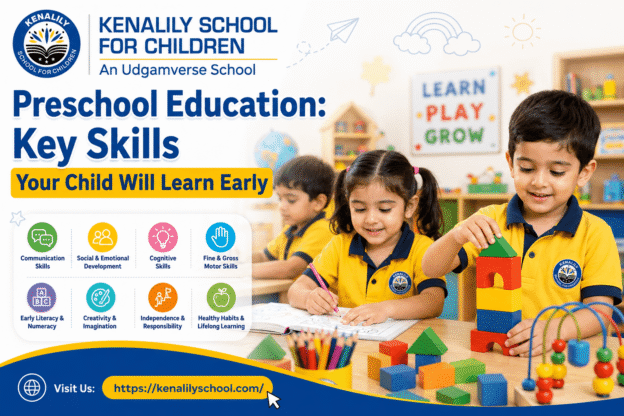
Preschool Education: Key Skills Your Child Will Learn Early


Best Preschool In Ahmedabad

The early years of a child’s life are filled with rapid growth, curiosity, and discovery. During this stage, children develop the foundation for future academic success, emotional well-being, and social confidence. A quality learning environment encourages exploration, communication, and creativity while helping young learners adapt to structured routines. Parents searching for the Best Preschool In Ahmedabad often focus on places that support overall development through age-appropriate activities rather than academic pressure. Choosing the right early learning center means giving children opportunities to build essential life skills in a nurturing environment that promotes confidence and independence.

Table of Contents

Section Description
Introduction Why early education matters
Importance of Preschool In Ahmedabad Benefits of quality early learning
Essential Skills Children Learn Cognitive, social, emotional, and physical development
Tips for Parents Supporting learning at home

Why Early Education Matters

Early education is much more than introducing letters and numbers. It creates meaningful experiences that help children understand the world around them while developing communication, problem-solving, and emotional skills.

A structured learning environment allows children to interact with peers, follow simple instructions, and participate in activities that improve concentration. These experiences prepare them for future academic settings while encouraging curiosity and creativity.
Parents often look for environments that combine learning with enjoyable experiences, ensuring children remain engaged while developing important abilities naturally.

Key Skills Children Learn During Early Education

Children acquire numerous lifelong skills through daily activities, guided learning, and social interaction.

1. Communication Skills

Language development begins early, and children improve vocabulary through conversations, storytelling, songs, and interactive activities.

These experiences help children:

  • Express thoughts clearly
  • Listen carefully to others
  • Ask meaningful questions
  • Build confidence while speaking
  • Develop early reading readiness

Strong communication skills support both academic growth and personal relationships later in life.

2. Social Development

Learning alongside other children encourages cooperation and teamwork. Group activities teach respect, patience, and understanding of different perspectives.

Children gradually learn how to:

  • Share resources
  • Take turns
  • Work in groups
  • Respect classroom rules
  • Build friendships

These experiences improve emotional intelligence and help children become more confident in social situations.

3. Emotional Growth

Young learners experience many emotions each day. Early education helps them recognize feelings and manage them appropriately.

Teachers guide children in:

  • Understanding emotions
  • Expressing feelings respectfully
  • Developing empathy
  • Building resilience
  • Solving simple conflicts peacefully

These emotional skills create a strong foundation for healthy relationships throughout life.

4. Cognitive Development

Hands-on learning activities stimulate thinking and problem-solving abilities.

Children participate in puzzles, sorting games, building blocks, matching exercises, and storytelling sessions that strengthen:

  • Memory
  • Logical thinking
  • Observation
  • Creativity
  • Decision-making

Interactive learning keeps children engaged while supporting brain development during their most important developmental years.

5. Fine and Gross Motor Skills

Physical activities contribute significantly to overall growth.

Fine motor activities include:

  • Drawing
  • Coloring
  • Cutting paper
  • Clay modeling
  • Bead threading

Gross motor activities include:

  • Running
  • Jumping
  • Balancing
  • Dancing
  • Outdoor games

Together, these activities improve coordination, balance, and body control.

6. Early Literacy and Numeracy

Young children naturally develop foundational literacy and mathematical concepts through fun experiences.

Instead of memorization, they learn through:

  • Storybooks
  • Rhymes
  • Counting games
  • Shape recognition
  • Alphabet activities

These enjoyable methods create positive learning habits that continue throughout formal education.

7. Creativity and Imagination

Creative activities allow children to express themselves freely.

Art, music, pretend play, storytelling, and craft projects encourage:

  • Original thinking
  • Innovation
  • Self-expression
  • Confidence
  • Curiosity

Creative experiences also improve problem-solving by allowing children to think independently.

8. Independence and Responsibility

Simple daily routines help children become more self-reliant.

Children gradually learn to:

  • Organize belongings
  • Complete simple tasks
  • Follow schedules
  • Make small decisions
  • Take responsibility for personal items

These habits promote discipline while boosting self-confidence.

9. Healthy Habits

Early learning environments also introduce healthy daily practices.

Children understand the importance of:

  • Hand washing
  • Healthy eating
  • Physical activity
  • Clean surroundings
  • Personal hygiene

Developing these habits early encourages healthier lifestyles as children grow.

10. Curiosity and Lifelong Learning

Children naturally ask questions about everything they observe. A supportive learning environment encourages exploration rather than limiting curiosity.

Teachers inspire children to:

  • Observe carefully
  • Experiment safely
  • Ask questions
  • Discover solutions
  • Enjoy learning

This positive attitude toward learning often continues throughout their educational journey.

Choosing the Right Early Learning Environment

When selecting a learning center, parents should evaluate several important factors rather than focusing only on facilities.

Consider aspects such as:

  • Safe and child-friendly surroundings
  • Experienced and caring educators
  • Balanced daily activities
  • Interactive learning methods
  • Small learner-to-teacher ratio
  • Clean classrooms
  • Parent communication
  • Creative learning opportunities

Families searching for a best play school in ahmedabad often prioritize nurturing environments that support emotional, social, and intellectual growth equally.

How Parents Can Support Learning at Home

Learning continues beyond the classroom.

Parents can encourage development by:

  • Reading together every day
  • Talking during everyday activities
  • Encouraging creative drawing
  • Playing educational games
  • Limiting unnecessary screen time
  • Allowing children to solve simple problems independently
  • Appreciating effort instead of perfection

These daily habits strengthen confidence while reinforcing classroom learning.

Long-Term Benefits of Early Education

Quality early education contributes to success far beyond childhood.

Children who receive strong foundational learning often demonstrate:

  • Better communication abilities
  • Improved academic readiness
  • Stronger social relationships
  • Greater emotional stability
  • Higher confidence
  • Better concentration
  • Independent thinking
  • Positive learning attitudes

These lifelong advantages support personal, academic, and professional success in later years.

Conclusion

Early education provides children with valuable experiences that shape their confidence, curiosity, communication, and independence. From language development to emotional intelligence and problem-solving abilities, these formative years lay the groundwork for future success. Parents who carefully evaluate learning environments can help children build essential life skills in a supportive setting. Families exploring Pre Schools in Ahmedabad should prioritize nurturing environments that encourage balanced growth, creativity, and joyful learning while supporting every child’s unique developmental journey.

Looking for experienced educators, safe facilities, engaging activities, positive learning environments, and strong communication with families.


Frequently Asked Questions

It helps children develop communication, cooperation, empathy, and conflict-resolution skills while building confidence around others.

No. Balanced programs emphasize emotional, social, physical, and cognitive development alongside early literacy and numeracy.

Reading together, engaging in conversations, encouraging creative activities, and maintaining consistent routines all support continued development.

Look for experienced educators, safe facilities, engaging activities, positive learning environments, and strong communication with families.

No Content


Best Preschool In Ahmedabad

Shaping Young Minds Through Innovative CBSE Education in Ahmedabad

Best Preschool In Ahmedabad

Early childhood and school education play a vital role in shaping a child’s future. As educational practices continue to evolve, schools are increasingly adopting innovative teaching methods that encourage curiosity, creativity, and lifelong learning. Modern CBSE education focuses on developing both academic excellence and essential life skills, ensuring that students are prepared for future challenges. Parents today seek learning environments that foster holistic growth from an early age. While evaluating educational opportunities and searching for the Best Preschool In Ahmedabad, many families also consider how a school’s teaching philosophy supports a child’s long-term development.

The Importance of Innovative Learning in Modern Education

Traditional teaching methods often focus heavily on memorization. Innovative CBSE education, however, encourages students to understand concepts, explore ideas, and apply knowledge in real-world situations.

Some important features of innovative learning include:

  • Activity-based teaching methods
  • Interactive classroom experiences
  • Project-oriented learning
  • Collaborative problem-solving activities
  • Technology-supported instruction

These approaches help students become active learners who are more engaged in the educational process. They also develop skills that extend beyond academics and contribute to personal growth.

Why Early Learning Foundations Matter

The foundation established during the early years significantly influences a child’s educational journey. Parents reviewing the List of Best Preschools in Ahmedabad often focus on programs that encourage social, emotional, and cognitive development alongside academic readiness.

Strong early learning foundations help children:

  • Build communication skills
  • Develop confidence and independence
  • Improve social interaction abilities
  • Strengthen problem-solving capabilities
  • Foster a love for learning

By nurturing these qualities early, educational institutions can support smoother transitions into formal schooling and future academic success.

Encouraging Holistic Development Through CBSE Education

An effective educational framework recognizes that children require more than academic instruction. Holistic development focuses on intellectual, emotional, social, and physical growth.

The table below highlights key aspects of holistic education and their benefits:

Development Area Benefits for Students
Academic Learning Strong conceptual understanding
Emotional Growth Improved self-confidence and resilience
Social Skills Better teamwork and communication”
Physical Development Enhanced health and coordination
Creative Expression Increased imagination and innovation

A balanced approach ensures that students develop into capable individuals who can navigate diverse challenges with confidence.

Creating Engaging Learning Experiences

Engagement plays a crucial role in helping students absorb and retain knowledge. Parents looking for a quality Preschool In Ahmedabad often appreciate educational settings that make learning enjoyable and meaningful.

Engaging learning experiences may include:

  • Storytelling and role-play activities
  • Hands-on experiments and projects
  • Interactive discussions
  • Creative arts and performances
  • Outdoor learning opportunities

These experiences encourage students to participate actively in the classroom and build enthusiasm for learning. When children are engaged, they are more likely to develop critical thinking and analytical skills that support academic achievement.

Preparing Students for a Changing Future

The future demands a combination of academic knowledge, adaptability, and interpersonal skills. Innovative CBSE education aims to equip students with competencies that remain valuable throughout their lives.

Key future-ready skills include:

  • Critical thinking
  • Effective communication
  • Collaboration and teamwork
  • Digital literacy
  • Leadership and responsibility

By integrating these skills into everyday learning experiences, schools can help students become confident individuals capable of adapting to evolving educational and professional environments.

Conclusion

Innovative CBSE education is transforming the way students learn by emphasizing engagement, creativity, and holistic development. Parents increasingly recognize the importance of educational environments that nurture both academic excellence and life skills from an early age. As families search for a top preschool in Ahmedabad, they often value institutions that encourage curiosity, confidence, and continuous growth. Kenalily School reflects the principles of modern education by supporting meaningful learning experiences that help shape capable, future-ready individuals.

Faqs

Early learning years help establish essential cognitive, social, emotional, and communication skills that support future academic and personal growth.

Activity-based learning encourages participation, improves understanding of concepts, and helps students retain information more effectively.

Holistic development focuses on nurturing a child's academic, emotional, social, physical, and creative abilities to support overall growth.

It promotes critical thinking, communication, collaboration, and problem-solving skills while maintaining a strong academic foundation.

Top cbse school

Inside the Student-Centric Learning Model at Kenalily School Ahmedabad

Top CBSE Schools In Ahmedabad

Education has evolved significantly over the years, moving from teacher-led instruction to approaches that place students at the center of the learning experience. A student-centric model focuses on individual growth, active participation, and the development of practical skills alongside academic knowledge. This approach recognizes that every child learns differently and benefits from opportunities to explore, question, and engage with concepts in meaningful ways. As parents evaluate educational options and compare the Top CBSE Schools In Ahmedabad, many are paying closer attention to learning environments that prioritize student engagement, critical thinking, and holistic development.

Understanding the Student-Centric Learning Approach

A student-centric learning model is designed to make learners active participants in their educational journey. Rather than relying solely on lectures and memorization, it encourages inquiry, collaboration, and hands-on experiences.

Key features of this approach include:

  • Interactive classroom discussions
  • Activity-based learning methods
  • Individualized support and guidance
  • Collaborative projects and group tasks
  • Opportunities for self-directed exploration

By creating a more engaging learning environment, students become more invested in their education and develop greater confidence in their abilities.

How Modern Learning Expectations Are Changing

Parents today seek educational experiences that prepare children for future challenges rather than focusing only on examinations. When reviewing a Schools In Ahmedabad List, many families look beyond academic rankings and consider factors such as teaching methodology, student well-being, and skill development.

Modern education increasingly emphasizes:

  • Creativity and innovation
  • Communication skills
  • Problem-solving abilities
  • Emotional intelligence
  • Adaptability to change

These competencies help students navigate academic demands while also preparing them for higher education and professional opportunities in the future.

Personalized Learning for Better Outcomes

Every student has unique strengths, interests, and learning styles. A student-centric model acknowledges these differences by creating opportunities for personalized learning experiences.

The following table highlights how personalized approaches can support student development:

>

Learning Element; Student Benefit
Individual Attention Better understanding of concepts>
Flexible Activities Increased engagement and participation
Skill-Based Assessments Stronger practical application
Collaborative Learning Improved teamwork abilities
Reflective Practices Enhanced self-awareness

Through personalized support, students are encouraged to learn at their own pace while building confidence in their academic capabilities.

The Role of Technology in Student Engagement

Technology has become an important component of modern education. Many parents searching for a CBSE School In Ahmedabad Near Me value schools that effectively integrate digital tools into the learning process.

Technology can enhance education by:

  • Supporting interactive lessons
  • Providing access to diverse learning resources
  • Encouraging research and exploration
  • Enabling personalized feedback
  • Strengthening digital literacy skills

When used thoughtfully, technology complements traditional teaching methods and helps students engage more deeply with classroom content. It also equips them with essential skills for a technology-driven world.

Building Confidence Through Holistic Development

A student-centric learning model extends beyond academics. It focuses on nurturing social, emotional, and leadership skills that contribute to overall development.

Holistic growth often includes:

  • Participation in extracurricular activities
  • Leadership opportunities
  • Public speaking experiences
  • Community engagement initiatives
  • Creative and artistic expression

These experiences help students develop resilience, communication skills, and a strong sense of responsibility. By encouraging growth in multiple areas, schools create well-rounded individuals who are prepared for diverse life experiences.

Conclusion

The growing interest in student-centric education reflects a broader shift toward learning experiences that prioritize individual development, critical thinking, and practical skills. Parents increasingly recognize the importance of educational environments that support both academic achievement and personal growth. Among the Best CBSE Schools In Ahmedabad, institutions such as Kenalily School demonstrate how a student-focused approach can create meaningful learning experiences. By encouraging participation, creativity, and holistic development, this model helps students build the knowledge and skills needed for lifelong success.

Faqs

It promotes engagement, confidence, problem-solving abilities, and a deeper understanding of concepts through interactive and practical learning experiences.

Yes. The approach can be adapted to different age groups and learning levels, making it effective for a wide range of students.

Personalized learning addresses individual strengths and challenges, helping students progress more effectively and confidently.

Technology provides interactive resources, personalized feedback, and opportunities for independent learning while enhancing classroom engagement.

Best cbse school ahmedabad

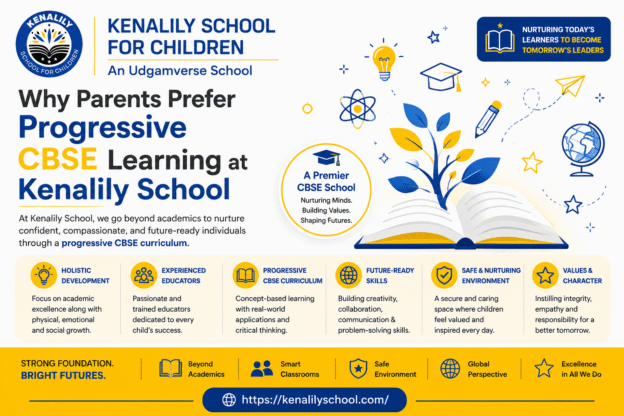
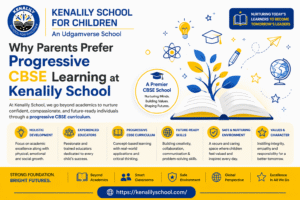
Why Parents Prefer Progressive CBSE Learning at Kenalily School

best cbse school in ahmedabad

Choosing the right educational environment is one of the most important decisions parents make for their children. Modern families are increasingly looking beyond traditional teaching methods and focusing on institutions that nurture creativity, critical thinking, and holistic development. This shift has led many parents to explore progressive learning models that align with the evolving needs of students. As expectations from education continue to grow, schools that combine academic excellence with practical learning experiences stand out. For many families searching for the Best CBSE School In Ahmedabad, progressive CBSE education has become a preferred choice because it prepares children for both academic success and real-world challenges.

What Is Progressive CBSE Learning?

Progressive CBSE learning goes beyond textbook-based instruction. It emphasizes conceptual understanding, problem-solving, collaboration, and experiential learning. Students are encouraged to actively participate in lessons, ask questions, and apply their knowledge in meaningful ways.

Some key characteristics include:

  • Student-centered teaching approaches
  • Interactive classroom activities
  • Project-based learning opportunities
  • Focus on communication and critical thinking
  • Integration of technology into education

This approach helps students become confident learners who can adapt to changing academic and professional environments.

Why Parents Are Looking Beyond Conventional Education

Many parents today recognize that education should develop more than academic knowledge. They want schools to support emotional intelligence, creativity, and life skills alongside curriculum goals. Among various CBSE Schools In Ahmedabad, institutions adopting progressive learning methodologies often appeal to parents because they provide a balanced educational experience.

Students benefit from environments where they can:

  • Develop independent thinking skills
  • Build leadership qualities
  • Improve collaboration and teamwork
  • Gain confidence in expressing ideas
  • Participate in extracurricular activities
  • As a result, learning becomes more engaging and meaningful, helping children remain –
  • motivated throughout their academic journey.

The Benefits of a Holistic Learning Environment

A progressive school environment focuses on the overall growth of each child. Academic achievement remains important, but equal attention is given to personal development, social skills, and emotional well-being.

Table

By addressing multiple dimensions of development, students gain skills that support lifelong success.

Technology and Innovation in Modern Classrooms

Technology has transformed the way students learn and interact with information. Parents often seek a CBSE Board School Near Me that incorporates digital tools while maintaining a strong academic foundation.

  • Modern classrooms may include:
  • Interactive learning platforms
  • Smart classroom technologies
  • Digital assessments and feedback
  • Research-based learning activities
  • Multimedia educational resources

When technology is used effectively, it enhances engagement and helps students understand concepts more clearly. It also equips them with digital literacy skills that are increasingly valuable in today’s world.

Building Future-Ready Students

Preparing students for future opportunities requires more than academic instruction. Progressive learning environments encourage adaptability, creativity, and confidence, which are essential in higher education and future careers.

Future-ready education often focuses on:

  • Communication and presentation skills
  • Leadership development
  • Analytical thinking
  • Ethical decision-making
  • Adaptability and resilience

These competencies help students navigate challenges successfully and contribute positively to society. By fostering a growth mindset, schools empower learners to continue developing their abilities beyond the classroom.

Conclusion

The growing preference for progressive CBSE learning reflects a broader understanding of what students need to thrive in today’s world. Families increasingly value educational environments that balance academic rigor with creativity, critical thinking, and personal development. Among the many Ahmedabad CBSE Schools, institutions such as Kenalily School represent the evolving approach to education that emphasizes holistic growth and future readiness. By supporting both intellectual and personal development, progressive learning helps students build a strong foundation for lifelong success.

Faqs

Parents appreciate approaches that support academic achievement while also developing communication, leadership, and problem-solving skills.

When implemented effectively, it can strengthen conceptual understanding and improve student engagement, which often supports academic success.

Technology provides interactive learning experiences, access to diverse resources, and opportunities to develop digital skills.

Senior Kg Admission

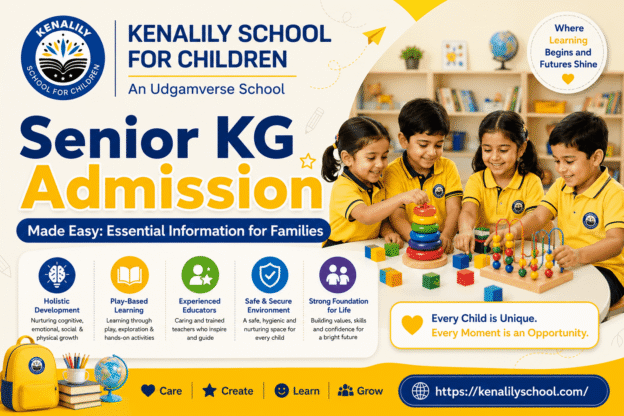
Senior KG Admission Made Easy: Essential Information for Families


Senior Kg Admission

Choosing the right educational path for a child is one of the most important decisions families make. As children grow and develop new skills, parents often begin exploring the next step in their academic journey. Understanding the process, requirements, and expectations can make this transition smoother and less stressful. Whether you are researching schools, comparing curricula, or preparing documents, having clear guidance is essential. For many parents, planning ahead for Senior Kg Admission helps ensure that children are ready for a positive and enriching learning experience.

Early childhood education plays a significant role in building confidence, communication skills, creativity, and foundational academic abilities. At this stage, children become more independent and begin developing stronger social and cognitive skills. A well-structured classroom environment supports these milestones through engaging activities, interactive lessons, and age-appropriate learning methods.

Families often begin their search by reviewing different educational options available in their city. School selection should involve careful consideration of teaching philosophy, safety standards, infrastructure, faculty qualifications, and extracurricular opportunities. Visiting campuses, attending orientation sessions, and interacting with educators can provide valuable insights into whether a particular institution aligns with a child’s needs and family expectations.

Key Factors Families Should Consider Before Enrollment

When evaluating schools for the next stage of early learning, parents should focus on several important aspects:

  • Academic curriculum and teaching methodology
  • Classroom size and student-teacher ratio
  • Safety measures and security protocols
  • Availability of creative and physical development activities
  • Communication practices between educators and parents
  • Learning resources, libraries, and technology integration
  • Transportation facilities and convenience

School culture and values

Understanding these factors helps families make informed decisions that support both educational growth and emotional well-being.
Many parents begin exploring options during the preschool stage. Researching Nursery Admission In Ahmedabad can provide valuable information about institutions that offer a continuous learning pathway. Schools with a strong foundation program often ensure consistency in teaching methods and educational goals as children progress through different levels.

Documentation is another important aspect of the enrollment process. While requirements may vary among institutions, families are typically asked to provide identification documents, birth certificates, photographs, proof of residence, and previous academic records if applicable. Preparing these materials in advance can help avoid last-minute challenges and ensure a smoother application experience.

Parents should also pay attention to application timelines. Many schools have limited seats and follow specific schedules for registrations, assessments, and confirmations. Missing important dates can reduce available options, making early planning particularly beneficial. Creating a checklist and maintaining a calendar of deadlines can simplify the process considerably.

An important stage that often precedes this level is Junior Kg Admission : a period during which children strengthen language, numeracy, and social interaction skills. The learning experiences gained during this phase contribute significantly to readiness for more structured classroom activities. Reviewing a child’s progress and discussing developmental milestones with teachers can help families understand whether additional support may be needed before advancing.

Beyond academics, emotional preparedness is equally important. Children entering higher early-learning levels may encounter new routines, classroom expectations, and social environments. Parents can support this transition by encouraging independence, establishing consistent daily schedules, and fostering positive attitudes toward learning. Reading together, engaging in creative activities, and practicing basic communication skills can further enhance readiness.

Another consideration is the educational approach adopted by the school. Some institutions emphasize activity-based learning, while others combine structured academics with experiential methods. Families should evaluate how each approach aligns with their child’s learning style. Observing classroom interactions and discussing educational goals with teachers can provide a clearer understanding of the learning environment.

Extracurricular activities also contribute significantly to overall development. Music, art, dance, sports, storytelling, and group projects help children build confidence, teamwork, and problem-solving abilities. Schools that balance academics with creative exploration often create a more engaging and enjoyable educational experience.

Parent-school collaboration is another factor that should not be overlooked. Regular communication between educators and families helps monitor progress, address concerns, and celebrate achievements. Institutions that encourage active parental involvement often create stronger support systems for children, leading to better educational outcomes.

Financial planning is equally important during school selection. Families should review fee structures, transportation costs, activity charges, and any additional expenses associated with enrollment. Understanding the complete cost structure helps avoid unexpected financial commitments later in the academic year.

Technology has also transformed how schools manage applications and communication. Many institutions now provide online registration platforms, digital document submission, virtual orientation sessions, and parent portals. These tools simplify administrative processes and provide convenient access to important information throughout the year.

It is helpful for families to create a shortlist of preferred schools based on location, curriculum, reputation, facilities, and overall fit. Comparing options side by side allows parents to make decisions based on objective criteria rather than marketing materials alone. Gathering feedback from current parents and reviewing independent assessments can also provide useful perspectives.

Ultimately, every child is unique, and the ideal educational environment should support individual strengths, interests, and developmental needs. A thoughtful approach to school selection can lay the groundwork for future academic success while nurturing curiosity, confidence, and a lifelong love of learning.

In conclusion, careful research, timely preparation, and a clear understanding of educational priorities can make the enrollment process significantly easier for families. By evaluating schools thoroughly, preparing required documents in advance, and supporting children emotionally through the transition, parents can make confident decisions about senior kg admission in ahmedabad and help create a positive start to the next stage of learning.

Faqs

Commonly required documents include a birth certificate, passport-size photographs, address proof, and previous academic records, if applicable.

It is advisable to start researching schools and submitting applications several months before the academic session begins to avoid missing important deadlines.

Parents should evaluate factors such as teaching methods, safety measures, infrastructure, extracurricular activities, and the overall learning environment.